The VA benefits process covers a wide range of programs, documents, and eligibility requirements. This hub brings together guides and answers to the questions veterans ask most so the right information is easy to find.
Veterans Supported
Largest Network of DBQ Doctors
Report 70%+ VA Ratings
1,479 Client Google Reviews
Veterans and their families navigate a wide range of VA programs, documents, and eligibility questions. The guides below cover the benefits and topics that come up most often so veterans have clear, accurate information in one place to support your VA claim.
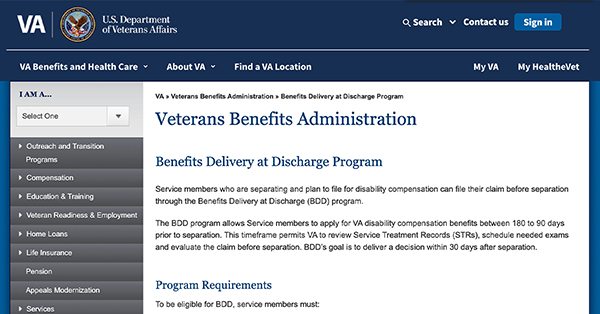
Active-duty service members separating from service may be eligible to file a VA disability claim before their separation date. The VA accepts BDD claims 90 to 180 days before discharge.

The National Personnel Records Center maintains Official Military Personnel Files. Veterans and eligible family members can request discharge documents and service records through the National Archives.

Veterans and service members who received care through the military health system can access recent medical records through TRICARE Online. These records can be a useful part of a veteran’s documentation file.

Veterans who believe their discharge characterization does not accurately reflect their service record may be eligible to request a change. The VA provides official instructions for initiating a discharge upgrade through the appropriate military review board.
Veterans Service Officers are accredited VA representatives who can assist with claim-related questions at no cost. The VA maintains a searchable directory to locate accredited VSOs by state and region.
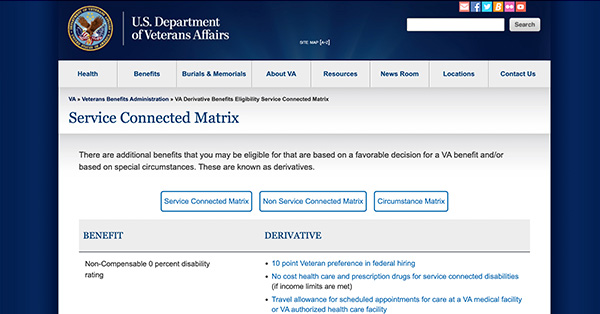
Certain VA benefits extend to the spouses, children, and surviving family members of veterans with service-connected disabilities. The VA outlines available programs and eligibility criteria for qualifying dependents.

In addition to federal VA benefits, each state offers its own programs for veterans including property tax exemptions, education benefits, and employment preferences. This guide provides a state-by-state overview.
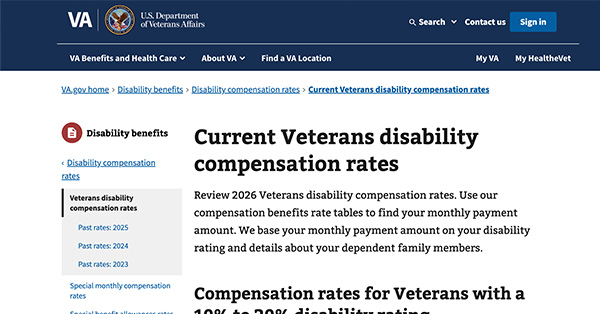
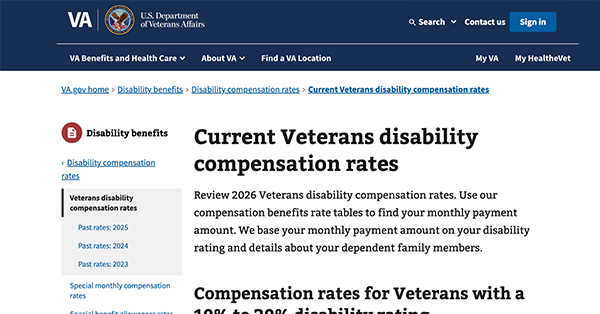
The VA publishes current monthly disability compensation rates organized by rating percentage and dependent status. Rates are updated periodically and reflect the combined disability rating assigned by the VA.
The VA offers programs for eligible family members and caregivers of veterans including health care coverage, financial support, mental health services, and respite care. This guide covers current program options.
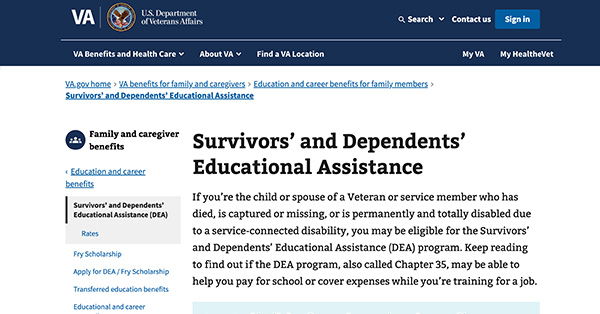
The Survivors’ and Dependents’ Educational Assistance program provides education and training opportunities for eligible dependents of veterans who are permanently and totally disabled due to a service-related condition, or who have died from a service-connected disability.

You’ve already served your country – now it’s time to access the support you’ve earned. REE Medical provides trusted help for veterans through independent medical evaluations designed to simplify the VA disability documentation process.
Transparency defines everything we do. From flat-rate pricing to comprehensive consultations, our commitment to honesty and clarity has earned the trust of 100,000+ Veterans nationwide.
Federal VA disability compensation is available nationwide, but state-level programs vary significantly. Many states offer additional benefits for veterans including property tax exemptions, education assistance, and employment preferences. The guides below cover what veterans in each state may be eligible for beyond federal benefits.
Make sense of VA disability rates for you or your loved ones. It’s a complicated topic, we help break it down and provide insights you can use on your journey.
VA Form 21-22a: What Happens After You Submit and Why It Matters for Your Claim VA Form 21-22a is the document veterans use to designate an authorized representative in dealings with the Department of Veterans Affairs. The
VA Form 10-10D: Understanding the Financial Hardship Pathway to VA Healthcare VA Form 10-10D provides a pathway to VA healthcare enrollment based on financial need rather than disability rating status. While most veterans are familiar
VA Form 21-4192: Understanding the Records Authorization Veterans Often Overlook VA Form 21-4192 is an authorization form that permits the release of VA medical records to a veteran or a designated party. While the form itself is
Answers to the most common questions about VA benefits, disability documentation, and how the VA evaluates claims, based on publicly available VA information.
According to the VA, an Intent to File is a formal notice that a veteran plans to submit a disability claim. Per VA guidelines, filing an Intent to File can preserve a potential effective date for up to one year while supporting documentation is gathered. The VA uses the Intent to File date as the earliest possible start date for back pay if a completed claim is submitted within the allowed timeframe.
Per VA guidelines, disability compensation is generally paid from the date the VA receives a valid claim or Intent to File, not from the date a decision is issued. If a claim is approved, the VA calculates back pay as the difference between the effective date and the date compensation begins. The amount is determined by the rating assigned and the number of dependents on record.
Is there additional compensation for dependents? According to the VA, veterans with a disability rating of 30% or higher may be eligible for additional monthly compensation based on the number of qualifying dependents including a spouse, children, and dependent parents. Dependents can be added through the VA after a rating decision is issued.
Do they provide diagnoses? The VA may schedule a Compensation and Pension (C&P) examination as part of evaluating a disability claim. C&P examiners document current symptoms and conditions based on what the VA needs to assess service connection and severity. C&P exams are evaluation-focused and used specifically to inform the VA’s rating process, not as treatment appointments.
Diagnoses used in the VA claims process can come from VA medical providers, private physicians, or independent licensed medical professionals. The VA reviews all medical evidence submitted as part of a claim regardless of the source, as long as it meets VA documentation standards.
A diagnosis is a licensed medical provider’s formal identification of a condition based on symptoms, history, and clinical findings. In the VA claims process, a diagnosis establishes that a condition exists, which is one of the foundational elements the VA reviews when evaluating service connection and determining disability ratings.
According to the VA, veterans are responsible for identifying all relevant treatment facilities and authorizing the release of records from private providers. VA medical records are not automatically transferred to the benefits system. Gaps in the medical record can affect how the VA assesses the severity or continuity of a condition, making a complete documentation file an important part of the VA’s review.
REE Medical does not retrieve, request, or submit VA records. REE Medical coordinates independent medical evaluations and VA-compliant Disability Benefits Questionnaires (DBQs) prepared by licensed healthcare professionals. For records requests, the VA and the National Archives provide official processes veterans can access directly.
Per VA guidelines, a valid initial claim generally requires a current medical diagnosis of the condition, evidence of an in-service event or injury, and a medical connection between the current condition and military service. The VA’s eBenefits portal and VA.gov provide official forms and instructions for filing.
A Disability Benefits Questionnaire (DBQ) is a standardized VA form completed by a licensed medical provider to document the current nature and severity of a specific condition. An independent medical opinion is a separate clinical document that may address the relationship between a condition and military service. REE Medical coordinates DBQs and independent medical evaluations through its network of licensed healthcare professionals. For documentation addressing service-connection relationships, REE Medical partners with independent organizations that provide that specialized documentation.
See how much more you could receive with a higher rating. Our calculator shows monthly compensation amounts at each rating level from 0% to 100%. Discover what you’re entitled to, then explore our veteran services to help strengthen your claim.