


VA Rating for Asthma: Understanding How the VA Evaluates Respiratory Conditions for Disability Compensation
Asthma affects veterans at significantly higher rates than the general population, with one study showing that service members who served in combat were 24-30% more likely to develop asthma than those who had not been deployed.
Understanding VA disability rating increase processes helps veterans pursue appropriate compensation when respiratory conditions worsen over time.
Table of Contents
- Understanding VA Asthma Disability Ratings
- The Disability Benefits Questionnaire (DBQ) Process
- Filing Strategies and Evidence Development
- Maximizing Your Asthma Disability Rating
- Secondary Conditions and Comorbidities
- Final Thoughts
TL;DR
- VA asthma ratings range from 10% to 100% based on pulmonary function tests, medication requirements, and exacerbation frequency
- Spirometry tests measuring FEV1 serve as the primary objective measure for determining disability percentages
- The Asthma DBQ must be completed by qualified medical professionals and include comprehensive clinical documentation
- Strategic timing of medical evaluations during representative symptom periods ensures accurate rating assessments
- Secondary conditions like sleep apnea and cardiovascular issues may qualify for additional disability ratings
- Independent medical evaluations can address evidence gaps and provide comprehensive documentation
Understanding VA Asthma Disability Ratings
The VA employs a structured rating system for asthma-related disabilities that ranges from 10% to 100%, determined by specific clinical criteria including pulmonary function measurements, medication dependencies, and frequency of acute episodes. This system, outlined in 38 CFR § 4.97, provides veterans with a framework for understanding how respiratory conditions translate into disability compensation.
Understanding the asthma rating system focuses on measurable criteria that directly impact daily life and work capacity, not just the diagnosis itself.
Rating Criteria and Assessment Methods
VA evaluators use three primary assessment pillars to determine asthma disability ratings: objective pulmonary function testing, comprehensive medication requirement analysis, and detailed documentation of exacerbation patterns. These criteria work together to create a complete picture of how asthma affects functional capacity.
The VA doesn’t guess when rating asthma. They rely on specific diagnostic criteria that paint a clear picture of condition severity. Understanding these criteria helps in preparing for evaluations.
Veterans who understand the importance of thorough medical documentation often find success, as outlined in our guide on medical evidence in VA disability claims, which emphasizes how comprehensive documentation supports accurate rating determinations.
Pulmonary Function Testing Requirements
Spirometry testing, particularly FEV1 measurements, forms the cornerstone of objective asthma assessment for VA rating purposes. These tests measure how much air can be forcibly exhaled in one second compared to predicted normal values, with specific percentage thresholds directly corresponding to disability rating levels.
Breathing capacity tells the story. FEV1 (Forced Expiratory Volume in one second) measurements provide concrete numbers that VA raters use to determine disability percentages. These aren’t subjective assessments—they’re hard data that reflects lung function.
When spirometry tests are conducted, the results show what percentage of normal lung function remains. The lower the FEV1 percentage, the higher the potential rating. This objective measurement removes guesswork from the equation.
Medication Dependency Assessment
The VA carefully evaluates the type, frequency, and intensity of medications required to manage asthma symptoms, recognizing that medication dependency directly correlates with disability severity. Daily bronchodilator use, corticosteroid requirements, and emergency medication needs all factor into rating determinations.
Medication patterns reveal important information. The VA looks at what needs to be taken daily, how often rescue inhalers are used, and whether stronger medications like corticosteroids are required.
Daily bronchodilator use signals persistent symptoms that interfere with normal activities. Corticosteroid dependency indicates more severe inflammation requiring aggressive treatment. Emergency medications suggest asthma poses immediate health risks.
A veteran with service-connected asthma requires daily albuterol inhaler use (4-6 puffs), monthly prednisone courses during flare-ups, and carries an emergency inhaler at all times. This medication pattern, combined with FEV1 results at 65% of predicted, typically supports a 30% disability rating for asthma according to VA criteria.
Exacerbation Frequency Documentation
Regular asthma attacks requiring emergency medical intervention or hospitalization significantly influence disability ratings, with the VA placing particular emphasis on documented frequency and severity patterns. Proper medical documentation of these episodes becomes evidence for rating determinations.
Emergency room visits and hospitalizations carry serious weight in rating evaluations. The VA recognizes that frequent exacerbations indicate poorly controlled asthma that significantly impacts life.
Documentation matters here more than anywhere else. Each emergency episode should be properly recorded with details about triggers, treatments required, and recovery time. This creates a pattern that supports ratings.
Current Rating Schedule Breakdown
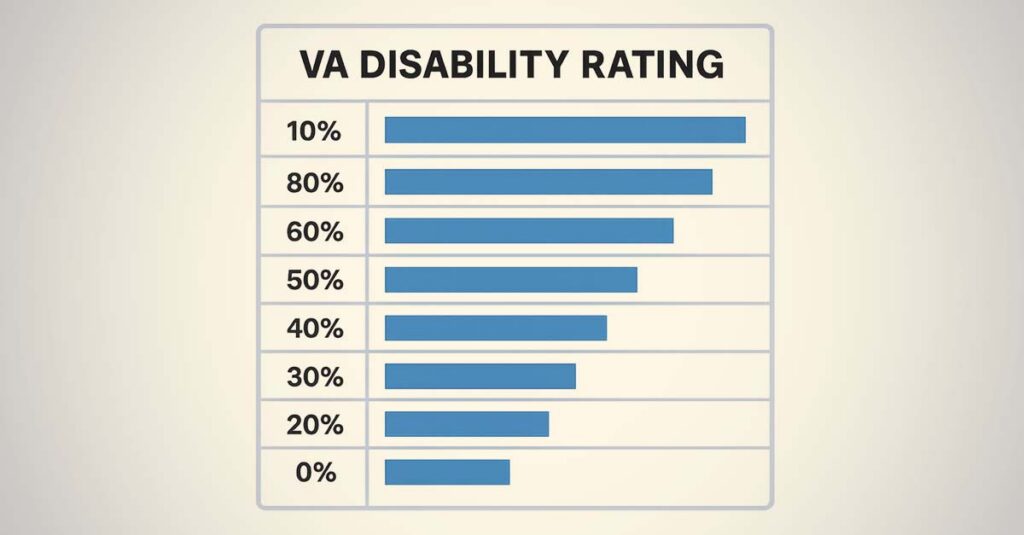
The 2024 VA rating schedule establishes clear percentage thresholds for asthma disability compensation, with ratings progressing from 10% for mild intermittent cases to 100% for severe, life-threatening conditions requiring continuous intensive treatment. Each rating level corresponds to specific clinical criteria and functional limitations that must be properly documented.
The rating schedule isn’t arbitrary—each percentage reflects real functional limitations that impact ability to work and live normally. Understanding these ratings helps clarify where conditions fit within the VA system.
The 2025 compensation rates for these ratings have been updated, and reviewing the latest VA disability compensation rates helps understand the financial impact of asthma disability ratings.
| VA Rating | FEV1 Percentage | Monthly Benefits (2025) | Key Requirements |
| 10% | 71-80% predicted | $175.51 | Intermittent bronchodilator use |
| 30% | 56-70% predicted | $524.31 | Daily medication, monthly exacerbations |
| 60% | 40-55% predicted | $1,361.88 | Significant functional impairment |
| 100% | Less than 40% predicted | $3,737.85 | Continuous intensive treatment |
10% Rating Criteria
The lowest compensable asthma rating requires evidence of mild intermittent symptoms with FEV1 values between 71-80% of predicted normal, occasional bronchodilator use, and minimal lifestyle impact. This rating acknowledges service-connected respiratory impairment while reflecting relatively preserved functional capacity.
A 10% rating might seem low, but it establishes service connection and acknowledges that asthma affects daily life. FEV1 values between 71-80% of predicted normal typically qualify for this rating.
Occasional bronchodilator use documented is necessary, but not daily dependency. The key is showing that while asthma is manageable, it still requires medical intervention and impacts activities.
30% Rating Thresholds
Moderate persistent asthma warranting a 30% disability rating typically involves FEV1 measurements between 56-70% of predicted values, daily medication requirements, and monthly exacerbation patterns. This rating reflects significant functional impairment that interferes with work and daily activities.
The jump to 30% represents a significant increase in both symptoms and compensation. FEV1 drops to 56-70% of predicted, and daily medications become necessary to maintain control.
Monthly exacerbations become part of the picture at this level. These don’t necessarily mean ER visits—they could be episodes requiring increased medication or activity restrictions.
60% and 100% Severe Classifications
Higher disability ratings require evidence of severe functional impairment, with 60% ratings corresponding to FEV1 values between 40-55% of predicted normal, while 100% ratings are reserved for cases with FEV1 below 40% or requiring continuous intensive medical management. These ratings reflect substantial limitations in work capacity and daily functioning.
Severe asthma ratings reflect life-altering limitations. At 60%, FEV1 falls between 40-55% of predicted, indicating significant breathing impairment that affects most activities.
The 100% rating represents the most severe cases—FEV1 below 40% or continuous intensive treatment requirements. This level often involves frequent hospitalizations and inability to maintain employment.
Special Considerations and Secondary Conditions
Veterans with service-connected asthma may qualify for additional disability ratings through secondary service connections, particularly when respiratory conditions contribute to or directly cause other health issues such as sleep disorders, cardiovascular problems, or mental health conditions. These secondary connections can significantly increase overall disability compensation.
Asthma doesn’t exist in isolation. It can trigger or worsen other conditions, potentially qualifying veterans for additional disability ratings through secondary service connections.
Sleep Apnea Secondary Connections
Asthma can contribute to sleep-disordered breathing patterns, potentially establishing secondary service connection for sleep apnea when proper medical evidence demonstrates the causal relationship between respiratory conditions. This connection requires thorough documentation of how asthma symptoms interfere with normal sleep patterns.
Sleep problems often accompany severe asthma. Nighttime symptoms, medication side effects, and breathing difficulties can contribute to sleep apnea development.
The connection isn’t automatic—medical evidence showing how asthma contributes to sleep disorders is necessary. This might include sleep studies, medication effects documentation, or physician opinions linking the conditions.
The Disability Benefits Questionnaire (DBQ) Process
The Asthma DBQ serves as the standardized medical evaluation framework that captures all essential clinical information required for accurate VA rating decisions, requiring completion by qualified medical professionals who understand VA assessment criteria. This comprehensive form integrates clinical history, objective testing results, and functional impact assessments to provide VA raters with complete medical evidence for disability determinations.
The asthma DBQ isn’t just another form—it’s the opportunity to present a complete medical picture that supports rating claims. Getting this right can make the difference between an accurate rating and an unfavorable decision.
Understanding the broader VA DBQ process helps veterans prepare more effectively for their asthma evaluations and ensures all necessary documentation is properly completed.
DBQ Components and Documentation Requirements
A comprehensive asthma DBQ must integrate multiple elements including detailed clinical history, current symptom assessment, objective testing results, treatment documentation, and functional impact evaluation. Each component serves a specific purpose in building the medical evidence foundation necessary for accurate VA rating determinations.
Every section of the DBQ serves a purpose. Missing or incomplete information can undermine entire claims, regardless of how severe symptoms actually are.
DBQ Preparation Checklist:
- Complete clinical history from service to present
- Current spirometry results (within 6 months)
- Comprehensive medication list with dosages
- Documentation of exacerbation frequency
- Functional capacity assessment
- Trigger identification and avoidance measures
- Treatment compliance records
Clinical History Documentation
Thorough clinical history documentation forms the foundation of effective DBQ evaluation, requiring detailed information about asthma onset, identified triggers, symptom progression over time, and the relationship between current symptoms and military service. This narrative provides context for current clinical findings and rating recommendations.
Asthma history matters. The DBQ needs to capture when symptoms started, what triggers them, and how they’ve progressed since military service.
Triggers deserve special attention—occupational exposures, environmental factors, and stress patterns all contribute to the complete picture. Documentation should include everything from burn pit exposure to specific allergens that worsen symptoms.
Objective Testing Integration
Current pulmonary function tests, chest imaging studies, and other diagnostic evaluations must be properly integrated into the DBQ to support clinical findings and provide objective evidence for rating recommendations. These tests provide the measurable data that VA raters rely on for accurate disability assessments.
Numbers don’t lie, and the VA knows it. DBQs need current pulmonary function tests that accurately reflect breathing capacity during typical symptom periods.
Chest X-rays, CT scans, and other imaging studies provide additional objective evidence. These tests can reveal structural changes or complications that support ratings.
Medical Professional Qualifications
VA regulations require asthma DBQs to be completed by physicians with appropriate credentials and expertise in respiratory medicine to ensure accurate and credible medical opinions. The qualifications and specialization of the examining physician can significantly impact the weight given to DBQ findings and recommendations.
Not all medical opinions carry equal weight. The VA pays attention to who’s completing DBQs and their qualifications to assess respiratory conditions.
Pulmonologist vs. Primary Care Evaluation
While primary care physicians can complete asthma DBQs according to VA regulations, evaluations conducted by board-certified pulmonologists often carry additional credibility and weight, particularly for complex cases or claims seeking higher disability ratings. Specialist evaluations provide deeper expertise in respiratory medicine assessment.
Board-certified pulmonologists bring specialized expertise that can strengthen claims. Their training in respiratory medicine provides credibility that general practitioners might lack.
Complex cases particularly benefit from specialist evaluation. When asthma involves unusual triggers, medication complications, or secondary conditions, pulmonologist expertise becomes valuable.
A veteran’s primary care physician completed an initial DBQ recommending a 10% rating based on mild symptoms. However, a subsequent pulmonologist evaluation revealed exercise-induced bronchospasm and occupational trigger sensitivity that the primary care physician had missed. The VA ultimately assigned a 30% rating based on the more comprehensive specialist evaluation.
Filing Strategies and Evidence Development
Successful asthma disability claims require strategic approaches to evidence gathering, proper timing of medical evaluations, and effective presentation of functional limitations to VA adjudicators. The strategy differs significantly between initial service-connection claims and requests for rating increases, with each requiring specific types of medical documentation and legal arguments tailored to the claim type.
Strategy matters more than many realize. The same medical evidence can lead to different outcomes depending on how it’s presented and what type of claim is filed. Understanding these nuances is important for achieving accurate ratings.
Initial Claims vs. Increase Requests
The approach to evidence development varies substantially between initial service-connection claims and requests for rating increases, with initial claims focusing on establishing the causal relationship between military service and current asthma diagnosis, while increase requests emphasize demonstrating symptom progression and inadequate current ratings.
Different claims need different evidence. What works for establishing service connection won’t necessarily support a rating increase request.
Service Connection Evidence Requirements
Initial service-connection claims must establish a clear link between military service and current asthma diagnosis through comprehensive medical records, documented exposure evidence, or medical opinions addressing causation. This foundation determines whether veterans qualify for any disability compensation.
Proving service connection requires connecting military service to current asthma. This might involve exposure documentation, service medical records, or expert medical opinions.
Burn pit exposure, chemical exposures, and environmental hazards during service all provide potential connection points. Documenting everything about respiratory exposures during military careers becomes important.
Recent developments under the PACT Act have significantly expanded presumptive conditions for veterans exposed to burn pits and airborne hazards, particularly for post-9/11 veterans deployed to Southwest Asia and Afghanistan who report respiratory symptoms. Understanding the PACT Act can be important for veterans seeking disability compensation for asthma, especially those with exposure-related respiratory conditions.
Rating Increase Documentation
Rating increase requests focus on demonstrating worsening symptoms since the last rating decision, requiring current medical evidence that shows symptom progression, increased medication requirements, or inadequate compensation for current functional limitations.
Increase requests tell a story of progression. Evidence showing how asthma has worsened since the last rating or why current ratings don’t reflect actual limitations is necessary.
Current medical evidence becomes important here. Old records won’t support increases—recent documentation showing current symptom severity and functional impact is necessary.
Common Claim Challenges and Solutions
Veterans frequently encounter obstacles including insufficient medical evidence, outdated evaluations, inadequate functional impact documentation, and unfavorable C&P examinations that can be systematically addressed through strategic evidence development and independent medical evaluations.
Every claim faces potential obstacles. Knowing what to expect helps in preparing solutions before problems derail claims.
Addressing Evidence Gaps
Incomplete medical records or missing pulmonary function tests can be remedied through comprehensive independent medical evaluations that provide current, thorough documentation meeting VA standards. These evaluations fill critical gaps that might otherwise result in claim denials or inadequate ratings.
Missing pieces affect claims significantly. Whether it’s outdated pulmonary function tests or incomplete medical records, evidence gaps need immediate attention.
Independent medical evaluations can fill these gaps effectively. These evaluations provide current, comprehensive documentation that meets VA standards and addresses specific deficiencies in claim files.
Overcoming Unfavorable C&P Examinations
When VA Compensation and Pension examinations are inadequate or produce unfavorable findings, veterans can submit independent medical evidence to challenge examination conclusions and provide alternative medical opinions that better reflect actual functional limitations.
C&P exams don’t always go favorably. Sometimes examiners miss important details or don’t fully understand the condition’s impact on daily life.
Independent medical evidence can challenge unfavorable C&P findings. This might include specialist evaluations, additional testing, or medical opinions that address deficiencies in C&P examinations.
Maximizing Your Asthma Disability Rating
Achieving an accurate asthma disability rating requires comprehensive medical documentation, strategic timing of evaluations, and effective presentation of functional limitations that truly reflect the condition’s impact on daily life and work capacity. Success depends on understanding VA assessment criteria and ensuring all evidence aligns with rating schedule requirements.
Getting appropriate ratings isn’t about gaming the system—it’s about ensuring the VA has complete, accurate information about the condition’s real impact on life.
Veterans often struggle with challenging low VA ratings, but understanding the proper approach to documenting asthma can make all the difference.
Timing and Preparation Strategies
The timing of medical evaluations and claim submissions can significantly impact rating outcomes, with specific considerations for symptom cycles, medication adjustments, seasonal variations in asthma severity, and periods that accurately represent typical functional capacity rather than unusually good or bad episodes.
Timing can make or break claims. Scheduling evaluations during periods that accurately represent typical symptoms ensures ratings based on realistic functional capacity.
Optimal Evaluation Timing
Scheduling medical evaluations during periods that accurately reflect typical asthma severity, rather than during unusually good or bad symptom periods, ensures disability ratings based on representative functional capacity and provides the most accurate assessment of ongoing limitations.
Scheduling evaluations during best or worst weeks isn’t ideal. The goal is capturing typical symptom levels—the reality experienced most days.
Seasonal considerations matter for many veterans. When asthma worsens during specific seasons, timing evaluations appropriately can ensure accurate representation of the condition’s impact.
Medication timing matters too. Evaluations shouldn’t occur immediately after medication adjustments when symptoms might be temporarily better or worse than usual.
A veteran with seasonal asthma triggered by spring allergens scheduled his C&P exam in March during peak pollen season. His FEV1 tested at 52% during this representative period, supporting a 60% rating, whereas a winter evaluation might have shown 68% function and only qualified for 30%. This strategic timing helped ensure accurate assessment of his condition.
Secondary Conditions and Comorbidities
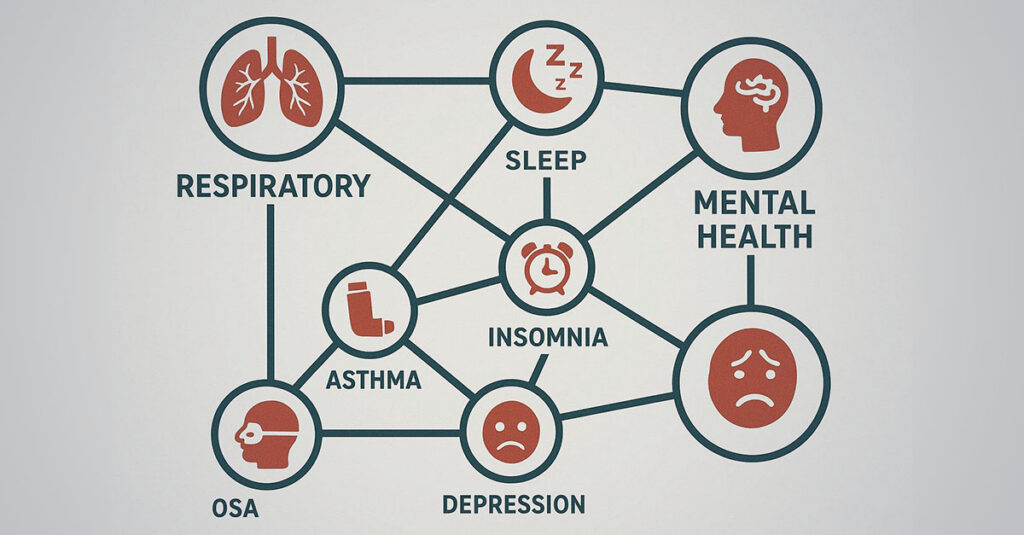
Asthma frequently leads to or coexists with other medical conditions that may warrant separate VA disability ratings or impact overall disability assessment, requiring careful evaluation of interconnected health issues. These secondary connections can significantly increase overall disability compensation when properly documented and claimed.
Asthma creates ripple effects throughout health. These secondary conditions often qualify for additional disability ratings, potentially increasing overall compensation significantly beyond the base asthma rating.
Respiratory-Related Secondary Conditions
Veterans with service-connected asthma frequently develop additional respiratory complications including chronic bronchitis, COPD overlap, vocal cord dysfunction, and exercise-induced limitations that may qualify for separate disability ratings or contribute to higher overall compensation when properly evaluated and documented.
Asthma rarely stays isolated. Long-term respiratory inflammation and treatment side effects can trigger additional conditions that deserve separate consideration.
Chronic Bronchitis and COPD Overlap
Long-term asthma can contribute to chronic bronchitis development, particularly in veterans with smoking history or occupational exposures, potentially warranting separate evaluation under different diagnostic codes when the conditions represent distinct pathological processes requiring different treatment approaches.
Chronic inflammation from asthma can damage airways over time, leading to chronic bronchitis or COPD-like symptoms. These conditions might qualify for separate ratings if they represent distinct problems beyond asthma.
Smoking history combined with asthma creates particularly complex respiratory issues. The VA recognizes that multiple respiratory conditions can coexist and may rate them separately when appropriate medical evidence supports distinct diagnoses.
Vocal Cord Dysfunction
Chronic asthma treatment, particularly long-term inhaled corticosteroid use, can lead to vocal cord dysfunction and voice disorders that may qualify for additional disability ratings under separate diagnostic codes when properly documented and evaluated.
Inhaled steroids save lungs but can damage voice. Chronic use often leads to hoarseness, vocal cord dysfunction, or complete voice changes that interfere with communication.
Voice problems deserve separate consideration. When asthma medications have affected ability to speak clearly or caused chronic throat issues, these symptoms might qualify for additional disability ratings.
Exercise-Induced Limitations
Severe exercise intolerance due to asthma may overlap with cardiovascular conditions, requiring careful evaluation to prevent double compensation while ensuring all functional limitations are properly rated and compensated.
Exercise limitations from asthma can be severe enough to mimic heart problems. The key is distinguishing between respiratory and cardiovascular causes of exercise intolerance.
Proper evaluation prevents double-dipping while ensuring appropriate compensation for all functional limitations is received. Sometimes the same symptom has multiple causes that each deserve recognition.
Sleep and Cardiovascular Connections
The relationship between asthma and sleep disorders, particularly sleep apnea, represents one of the most common secondary connection opportunities for veterans seeking comprehensive disability compensation, along with potential cardiovascular complications from chronic respiratory stress.
Sleep problems and heart issues often stem from severe asthma. These connections represent some of the strongest opportunities for additional disability ratings beyond primary asthma ratings.
Veterans with respiratory conditions often benefit from understanding VA ratings for sleep apnea, as this secondary condition frequently accompanies severe asthma and can significantly impact overall compensation.
| Secondary Condition | Connection to Asthma | Typical Rating | Key Evidence Needed |
| Sleep Apnea | Nighttime breathing disruption | 30-50% | Sleep study, medical opinion |
| GERD | Medication side effects | 10-60% | Endoscopy, treatment records |
| Anxiety/Depression | Chronic illness impact | 0-100% | Mental health evaluation |
| Hypertension | Medication effects | 0-60% | Blood pressure logs |
| Vocal Cord Dysfunction | Inhaled steroid damage | 10-30% | ENT evaluation |
Sleep Apnea Secondary Service Connection
Asthma-related sleep disruption and medication effects can contribute to or aggravate obstructive sleep apnea, establishing grounds for secondary service connection when proper medical evidence demonstrates the causal relationship between respiratory conditions and sleep disorders.
Nighttime asthma symptoms disrupt normal sleep patterns, potentially contributing to sleep apnea development. Medications can also affect sleep quality and breathing patterns during rest.
The connection requires medical documentation showing how asthma contributes to sleep problems. This might include sleep studies showing breathing disruptions related to asthma symptoms or medication effects.
Cardiovascular Strain Documentation
Chronic hypoxemia from severe asthma can contribute to pulmonary hypertension and right heart strain, potentially qualifying for separate cardiovascular disability ratings when proper cardiac evaluation demonstrates asthma-related heart complications.
Severe asthma forces the heart to work harder. Chronic low oxygen levels and increased breathing effort can strain the cardiovascular system over time.
Right heart problems often develop from lung disease. When asthma has progressed to the point where it’s affecting heart function, this represents a separate condition that might qualify for additional disability rating.
Mental Health Impact Assessment
Chronic respiratory limitations and life-threatening asthma episodes can contribute to anxiety, depression, or PTSD symptoms, particularly when breathing difficulties create fear of suffocation or severely limit daily activities and social functioning.
Breathing problems affect mental health too. Chronic limitations and scary episodes can trigger anxiety, depression, or even PTSD-like symptoms.
The fear of not being able to breathe creates real psychological trauma. When asthma has led to mental health issues, these conditions might qualify for separate disability ratings when properly documented.
How REE Medical Supports Veterans with Asthma Claims
REE Medical coordinates independent medical evaluations that provide veterans with comprehensive, VA-compliant documentation for asthma claims. Through a nationwide network of licensed medical professionals who specialize in disability-focused documentation, REE Medical connects veterans with qualified physicians who understand the specific requirements for asthma DBQs.
The coordination process begins with a complimentary consultation to explain how independent medical documentation is developed. REE Medical’s staff coordinates access to licensed healthcare professionals familiar with VA-standardized forms and disability-focused documentation requirements.
Independent evaluations coordinated through REE Medical provide detailed, objective clinical documentation that meets VA formatting standards. These evaluations include comprehensive functional assessments that measure how asthma affects daily activities, work capacity, and quality of life.
Veterans can learn more about coordinating VA-compliant DBQs and independent medical evaluations by contacting REE Medical for an informational consultation. REE Medical’s team explains the documentation coordination process and connects veterans with independent, licensed medical providers.

Final Thoughts
Successfully navigating the VA rating system for asthma requires understanding the complex interplay between objective medical evidence, proper documentation timing, and comprehensive evaluation of both primary and secondary conditions. Veterans who approach their claims strategically, with thorough medical documentation and awareness of all potential disability connections, position themselves for accurate ratings that truly reflect their functional limitations.
The key lies not in manipulating the system, but in ensuring the VA has complete, accurate information about how asthma impacts every aspect of daily life and work capacity. Asthma disability claims often involve multiple interconnected health issues, and addressing each component systematically can significantly impact overall compensation outcomes.

Disclosure
DISCLAIMER: REE Medical, LLC is not a Veterans Service Organization (VSO) or a law firm and is not affiliated with the U.S. Veterans Administration (“VA”). Results are not guaranteed, and REE Medical, LLC makes no promises. REE Medical’s staff does not provide medical advice or legal advice, and REE Medical is not a law firm. Any information discussed, such as, but not limited to, the likely chance of an increase or service connection, estimated benefit amounts, and potential new ratings, is solely based on past client generalizations and not specific to any one patient. The doctor has the right to reject and/or refuse to complete a Veteran’s Disability Benefit Questionnaire if they feel the Veteran is not being truthful. The Veteran’s Administration is the only agency that can make a determination regarding whether or not a Veteran will receive an increase in their service-connected disabilities or make a decision on whether or not a disability will be considered service-connected. This business is not sponsored by, or affiliated with, the United States Department of Veterans Affairs, any State Department of Military and Veterans Affairs, or any other federally chartered veterans service organization.