
Purple Heart Day: Why America’s Oldest Military Honor Still Matters More Than Ever
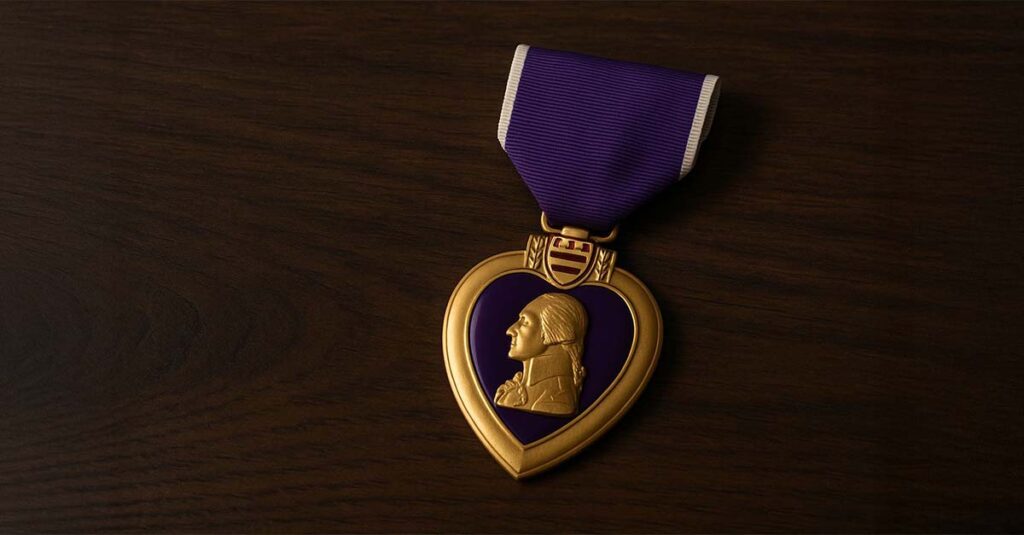
The Purple Heart stands as America’s oldest military decoration. This distinguished honor, which evolved from George Washington’s revolutionary vision in 1782, continues to recognize the ultimate sacrifice made by service members wounded or killed in combat. As Purple Heart Day approaches each year, understanding the significance of this decoration and the ongoing needs of its recipients becomes more critical than ever.
For over 240 years, this decoration has symbolized the nation’s recognition of those who shed blood in defense of American freedoms. From the battlefields of the Revolutionary War to modern combat theaters in Iraq and Afghanistan, Purple Heart recipients represent a continuous thread of sacrifice that connects every generation of American military service. Their stories remind us that freedom carries a profound cost—one measured in wounds both visible and invisible.
This comprehensive guide explores the history of the Purple Heart, the evolving challenges faced by modern recipients, and how communities can provide meaningful support that extends far beyond ceremonial recognition.
TL;DR
- The Purple Heart originated in 1782 as Washington’s Badge of Military Merit but evolved into today’s decoration specifically honoring combat wounds and sacrifice
- National Purple Heart Day on August 7th provides structured opportunities for community recognition and veteran education
- Modern recipients face unique challenges from contemporary combat theaters, requiring specialized support beyond ceremonial recognition
- Effective community support involves year-round practical assistance, not just single-day observances
- Federal regulations establish clear eligibility criteria and documentation requirements for Purple Heart recognition
- The VA disability evaluation and benefits landscape can be complex; clear, thorough medical documentation helps the VA evaluate service-connected conditions accurately.
- Meaningful preparation for 2025 involves researching local recipients and coordinating with established veteran organizations

Understanding the Historical Foundation of America’s First Military Decoration
The Purple Heart’s journey from Washington’s revolutionary vision to today’s combat decoration reveals how military recognition has evolved to address changing warfare and veteran needs. This historical foundation provides essential context for understanding why Purple Heart Day matters and how communities can better support recipients today.
Washington’s Revolutionary Vision That Started It All
General George Washington’s creation of the Badge of Military Merit in 1782 established America’s first military decoration, specifically designed to honor enlisted personnel and non-commissioned officers for exceptional service and sacrifice.
Washington understood something revolutionary for his time—enlisted soldiers deserved formal recognition for their sacrifices. In 1782, he created the Badge of Military Merit to honor “not only instances of unusual gallantry in battle, but also extraordinary fidelity and essential service.” This wasn’t just about officers anymore. The Purple Heart medal evolved from this foundational concept of recognizing sacrifice at every level of military service.
The original badge targeted enlisted men and non-commissioned officers specifically. Washington recognized that these soldiers formed the backbone of military operations, yet they rarely received formal acknowledgment for their contributions. His vision broke traditional military hierarchies that typically reserved honors for commissioned officers.
Understanding the origins of Veterans Day and other commemorative occasions helps place the Purple Heart within the broader context of how America has recognized military service throughout its history.

From Dormancy to Revival: The 150-Year Gap
After falling into disuse following the Revolutionary War, the decoration remained dormant until 1932 when the War Department revived it as the Purple Heart to commemorate Washington’s 200th birthday.
Following the Revolutionary War, the Badge of Military Merit essentially disappeared. Military leadership didn’t maintain the tradition, and the decoration fell into historical obscurity for nearly 150 years. Most people forgot it ever existed.
The War Department revived the honor in 1932, transforming it into the Purple Heart to commemorate Washington’s 200th birthday. This revival wasn’t just ceremonial—it represented a renewed commitment to recognizing military sacrifice. The timing coincided with growing awareness of veteran needs following World War I.
How the Criteria Fundamentally Changed
The modern Purple Heart shifted from recognizing general merit to specifically honoring those wounded or killed in combat, fundamentally changing its purpose from service recognition to sacrifice acknowledgment.
Washington’s original decoration honored various forms of exceptional service and gallantry. The modern Purple Heart serves a much more specific purpose—it exclusively recognizes those wounded or killed in action against enemy forces. This represents a fundamental shift in military recognition philosophy.
Today’s criteria focus entirely on combat sacrifice rather than general merit. Recipients must demonstrate that their wounds resulted directly from hostile enemy action or occurred while engaged in combat operations. The decoration no longer recognizes exceptional service that doesn’t involve physical sacrifice.
Purple Heart Evolution Through History:
| Era | Award Name | Primary Purpose | Eligibility |
| 1782-1783 | Badge of Military Merit | General gallantry and service | Enlisted men and NCOs |
| 1932-1942 | Purple Heart | Merit and combat wounds | Army and Army Air Corps |
| 1942-Present | Purple Heart | Combat wounds and sacrifice | All military branches |
Modern Purple Heart Recipients and Their Evolving Stories
Contemporary Purple Heart recipients represent diverse conflicts and face unique challenges from modern warfare, including traumatic brain injuries, extended deployments, and complex medical conditions that require specialized understanding and support.
Contemporary Combat Theaters Present New Challenges
Recipients from Iraq, Afghanistan, and other modern conflicts encounter distinct challenges related to improvised explosive devices, traumatic brain injuries, and extended deployment cycles that differ significantly from previous generations of veterans.
Understanding the unique challenges faced by modern Purple Heart recipients requires recognizing how contemporary warfare affects veteran health, particularly the mental health impacts that often accompany physical wounds sustained in combat.
Modern warfare has fundamentally changed the nature of combat injuries. Purple Heart recipients from Iraq and Afghanistan face challenges that previous generations of recipients never encountered. Improvised explosive devices (IEDs) create complex injury patterns that affect multiple body systems simultaneously.
Traumatic brain injuries represent a significant portion of modern Purple Heart cases. These injuries often remain invisible to casual observers, making it difficult for recipients to receive appropriate recognition and support from their communities. The symptoms can persist for years, affecting cognitive function, emotional regulation, and daily activities.
Extended deployment cycles compound these challenges. Many modern Purple Heart recipients served multiple tours in combat zones, experiencing repeated trauma exposure that creates cumulative effects on their physical and mental health. This differs significantly from the single-deployment model common in previous conflicts.
Example: Staff Sergeant Rocky Bleier exemplifies the challenges faced by Purple Heart recipients. While serving in Vietnam, Bleier was wounded in the left thigh by enemy rifle fire and subsequently injured by grenade shrapnel that damaged his right foot. Despite these combat injuries, he returned to civilian life and became an NFL halfback for the Pittsburgh Steelers, playing on four Super Bowl-winning teams. His story demonstrates both the severity of combat injuries and the potential for recovery and success with proper support.
The Invisible Wounds That Matter Most
Many contemporary Purple Heart recipients struggle with invisible injuries like PTSD and traumatic brain injuries that require specialized medical documentation and community understanding to ensure proper recognition and support.
Invisible wounds present unique documentation challenges for Purple Heart recipients. Traumatic brain injuries, post-traumatic stress disorder, and other psychological conditions require extensive medical evaluation to establish their connection to combat service. These conditions often develop gradually, making the initial injury-to-condition connection less obvious.
Community understanding of invisible wounds remains limited. Recipients with visible injuries typically receive immediate recognition and support, while those with psychological or neurological conditions may struggle to communicate their needs effectively. This creates disparities in how different types of Purple Heart recipients experience community support.
Medical documentation for invisible wounds requires specialized expertise. Standard medical evaluations may not capture the full scope of combat-related psychological or neurological conditions, potentially affecting recipients’ ability to receive appropriate disability ratings and healthcare benefits.
According to the Department of Defense, screenwriter and director Oliver Stone served in Vietnam from 1967 to 1968, where he was wounded twice. His wartime experiences with invisible wounds would later shape acclaimed films like “Platoon” and “Born on the Fourth of July,” demonstrating how Purple Heart recipients channel their experiences into meaningful contributions to society.
Recognition Programs That Actually Make a Difference
Effective Purple Heart recognition extends beyond ceremonial acknowledgment to include practical support systems that address ongoing recipient needs through meaningful ceremonies, corporate participation, and community education initiatives.
Planning Purple Heart Day Ceremonies That Honor and Educate
Successful Purple Heart Day ceremonies balance solemnity with celebration while incorporating veteran voices, family participation, and educational components that help attendees understand the significance of the honor.
Meaningful ceremonies require careful balance between honoring sacrifice and celebrating service. Creating an atmosphere that respects the solemnity of combat wounds while celebrating the recipients’ continued contributions to their communities helps attendees understand both the cost of military service and the resilience of those who serve.
Veteran voices should drive Purple Heart Day ceremony content. Rather than having civilian speakers discuss military sacrifice, inviting Purple Heart recipients to share their experiences (when they’re comfortable doing so) provides authenticity that resonates with audiences and helps bridge the civilian-military understanding gap.
Family participation adds crucial dimensions to National Purple Heart Day observances. Purple Heart recipients’ families also sacrifice and deserve recognition for their support during recovery and ongoing challenges. Including family members in ceremonies acknowledges that military service affects entire family units, not just individual service members.
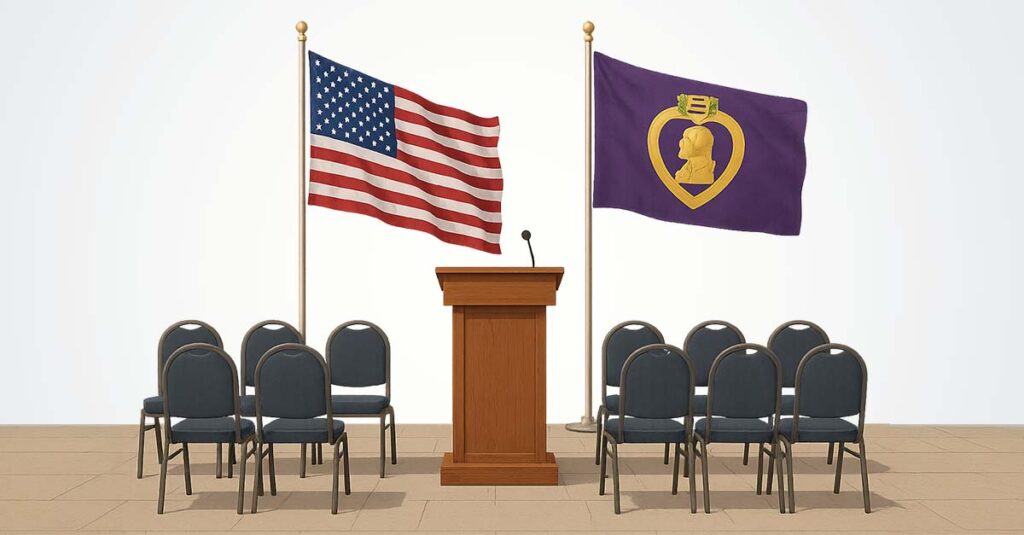
Example: Tampa City Council demonstrates effective National Purple Heart Day recognition through their annual flag-raising ceremony. Their 2025 event features the raising of the Purple Heart flag outside Old City Hall, with remarks from veterans and Purple Heart family members, creating a meaningful tribute that honors sacrifice while educating the community about the medal’s significance.
Corporate and Organizational Participation Beyond Sponsorship
Businesses and organizations can contribute meaningfully through employee education programs, veteran-friendly policies, and year-round support initiatives that extend recognition beyond single-day observances.
Corporate participation shouldn’t stop at ceremony sponsorship. Employee education programs help create veteran-friendly workplace cultures that support Purple Heart recipients throughout the year. These programs can address common misconceptions about military service and help employees understand how to interact respectfully with veteran colleagues.
Veteran-friendly policies demonstrate genuine commitment to Purple Heart recipients. Flexible scheduling for medical appointments, understanding of service-connected disability accommodations, and recognition of military experience in hiring decisions create supportive environments that honor recipients’ service practically.
Year-round support initiatives provide more value than single-day recognition events. Establishing mentorship programs, professional development opportunities, or volunteer coordination that connects Purple Heart recipients with ongoing community resources and support networks creates lasting impact.
How Communities Can Support Purple Heart Recipients Year-Round
Meaningful support includes helping connect recipients to reputable resources and encouraging access to appropriate clinical care and objective documentation.
Understanding Service-Connected Disabilities and Their Impact
VA disability evaluations rely on accurate medical documentation that clearly describes diagnosis, symptoms, functional impact, and treatment history.
Supporting Purple Heart recipients effectively requires understanding how service-connected disabilities affect their daily lives and recognizing that proper medical documentation plays a crucial role in securing the benefits earned through their sacrifice.
Service-connected disabilities affect Purple Heart recipients differently than civilian injuries. The VA disability rating system considers how military service directly caused or aggravated specific medical conditions. Recipients must establish clear connections between their combat injuries and current health challenges to receive appropriate compensation.
Documentation requirements for service-connected disabilities can overwhelm recipients. Medical records, witness statements, and official military reports must all align to support disability evaluations. Many recipients struggle to gather comprehensive documentation, especially for conditions that developed gradually after their initial combat injuries.
The evaluation process timeline often extends for months or years. Recipients may wait extended periods for initial decisions, appeals, or rating adjustments while managing ongoing medical expenses and lost income. This creates financial stress that compounds their recovery challenges.
Support Services Available to Purple Heart Recipients:
| Support Service Type | Description | Primary Benefit | Access Method |
| VA Healthcare | Medical treatment for service-connected conditions | Direct medical care | VA enrollment |
| Disability Compensation | Monthly payments for service-connected disabilities | Financial support | VA disability evaluation |
| Vocational Rehabilitation | Job training and education assistance | Career development | Chapter 31 benefits |
| Family Support | Counseling and assistance for family members | Family stability | VA family programs |

Healthcare and Benefits Navigation Challenges
Eligibility and care pathways can vary; recipients may benefit from reviewing VA resources and, when needed, seeking help from accredited support channels (e.g., VSOs) for benefits-specific questions.
VA healthcare eligibility rules confuse many Purple Heart recipients. Different service-connected conditions qualify for different levels of care, and recipients may not understand which services they can access or how to schedule appropriate appointments. This confusion can delay necessary medical treatment.
Specialized healthcare services require specific referral processes. Purple Heart recipients with traumatic brain injuries, PTSD, or complex orthopedic conditions may need specialized care that requires navigation through VA referral systems or coordination with private providers.
Benefits coordination becomes complex when recipients have multiple service-connected conditions. Different conditions may qualify for different benefit programs, and recipients must understand how these programs interact to receive their available support without creating conflicts or overpayments.

Preparing for Meaningful Purple Heart Day 2026 Observances
Effective preparation for Purple Heart Day 2025 involves individual education, community coordination, and sustainable support planning that maximizes the impact of recognition efforts while addressing recipients’ ongoing needs.
Educational Preparation Steps That Build Understanding
Proper preparation ensures that Purple Heart Day observances are both respectful and informative through research, coordination with veteran organizations, and sustainable support planning.
Step 1: Research Local Recipients and Their Stories
Identifying Purple Heart recipients in your community through veteran organizations, VFW posts, and American Legion chapters helps you understand local stories and needs while building authentic connections.
When researching local Purple Heart recipients, it’s important to understand that many have faced significant transitions from military to civilian life. Resources about supporting veterans during this critical period can help communities provide more effective assistance.
Start by connecting with local veteran organizations. VFW posts, American Legion chapters, and Disabled American Veterans groups maintain relationships with Purple Heart recipients in your area. These organizations can introduce you to recipients who are comfortable sharing their experiences and help you understand local veteran community needs.
Research doesn’t mean invasive questioning. Approach recipient research with respect for privacy and personal boundaries. Some recipients prefer to keep their experiences private, while others welcome opportunities to educate their communities. Let recipients control how much they want to share.
Understanding local stories helps you plan relevant Purple Heart Day 2025 recognition activities. Recipients from different conflicts and service branches may have varying needs and perspectives. Tailoring activities to reflect your local veteran community creates more meaningful and impactful observances on Purple Heart Day August 7.
Example: Consider how different Purple Heart recipients might participate in community events. According to the Department of Defense, some recipients like actor James Arness (who portrayed Marshal Matt Dillon in “Gunsmoke”) lived with chronic leg pain from Battle of Anzio wounds throughout their civilian careers. Understanding these ongoing challenges helps communities plan appropriate recognition activities that accommodate recipients’ physical limitations and comfort levels.
Step 2: Coordinate with Established Veteran Organizations
Partnering with established veteran groups provides guidance on appropriate recognition methods and helps connect you with recipients who are comfortable sharing their experiences.
Veteran organizations possess institutional knowledge about respectful recognition practices. They understand which approaches resonate with Purple Heart recipients and which might inadvertently cause discomfort or offense. Their guidance helps avoid common mistakes that well-meaning civilians sometimes make.
Established organizations can facilitate introductions to recipients. Rather than approaching Purple Heart recipients directly, work through veteran organizations that already have trusted relationships. This approach respects recipients’ privacy while creating opportunities for meaningful connections.
Coordination prevents duplicate efforts and maximizes impact. Multiple community groups planning separate Purple Heart Day August 7 activities might overwhelm local recipients or create scheduling conflicts. Working together through established veteran organizations helps coordinate community-wide Purple Heart Recognition Day efforts.
Step 3: Plan Sustainable Support Beyond Single-Day Recognition
Developing year-round support initiatives rather than limiting recognition to a single day focuses on practical assistance that addresses ongoing challenges faced by Purple Heart recipients.
Single-day recognition events, while meaningful, don’t address ongoing recipient needs. Purple Heart recipients face daily challenges related to their service-connected conditions, healthcare navigation, and community integration. Year-round support provides more practical value than Purple Heart Recognition Day ceremonies alone.
Sustainable support requires understanding specific local needs. Some communities may need transportation assistance for medical appointments, while others might benefit from job placement programs or educational support. Assess your local Purple Heart recipient community to identify the most pressing ongoing challenges.
Resource coordination creates lasting impact. Connect Purple Heart recipients with existing community resources, healthcare providers, and support services rather than creating entirely new programs. This approach leverages existing infrastructure while ensuring recipients receive comprehensive support beyond Purple Heart Appreciation Day observances.
National Purple Heart Day 2025 Preparation Checklist:
- Contact local VFW, American Legion, and DAV chapters
- Identify Purple Heart recipients willing to participate in community events
- Research local Purple Heart memorials and commemorative sites
- Coordinate with municipal offices for flag-raising ceremonies
- Plan educational components for community awareness
- Establish year-round support program framework
- Connect with local media for event coverage
- Prepare materials explaining Purple Heart significance
- Arrange for appropriate ceremony logistics and accessibility
- Follow up with participants for ongoing engagement opportunities

Federal Recognition Standards and Legal Framework
Understanding the legal foundation supporting Purple Heart recipients ensures proper recognition and benefits administration while maintaining compliance with federal regulations that protect veterans’ interests.
Federal Regulations Establish Clear Eligibility Criteria
Federal regulations specify that Purple Heart recipients must have been wounded, killed, or died from wounds received in action against an armed enemy or as a direct result of hostile action.
Current federal regulations provide specific criteria for Purple Heart award eligibility. Recipients must demonstrate that their wounds resulted from action against an armed enemy or direct hostile action. This excludes injuries from accidents, training incidents, or non-combat activities, even if they occurred in combat zones.
Documentation requirements support eligibility determinations. Medical records must clearly establish the nature and extent of combat-related injuries. Witness statements from fellow service members can corroborate circumstances surrounding the injury. Official military reports provide additional evidence of hostile action and combat conditions.
Appeals processes exist for denied Purple Heart applications. Veterans who believe they qualify but were denied can pursue appeals through established military review boards. These processes have specific timelines and evidence requirements that must be followed to maintain eligibility for review.
Compliance and Ethical Considerations for Support Organizations
Organizations supporting Purple Heart recipients must operate within strict ethical and legal boundaries, adhering to federal regulations while maintaining neutrality and transparency in their assistance.
Federal regulations like 38 U.S.C. §§ 5901–5905 establish clear boundaries for organizations supporting veterans. These regulations prohibit unauthorized claim filing, outcome guarantees, and direct advocacy activities that could create conflicts of interest or compromise the integrity of the VA evaluation process.
Maintaining neutrality protects veterans’ interests. Support organizations must provide objective information and coordinate independent evaluations without influencing outcomes or creating situations where their interests conflict with veterans’ needs. This neutrality ensures that veterans receive unbiased assistance.
Transparency requirements protect both veterans and support organizations. Clear communication about services, limitations, and regulatory compliance helps veterans make informed decisions about the assistance they receive. Transparency also protects organizations from inadvertent regulatory violations.
Recent recognition efforts highlight the continuing relevance of National Purple Heart Day. The Department of Defense notes that MLB teams now pay homage to local Purple Heart recipients during special pregame and seventh inning stretch ceremonies, demonstrating how professional sports organizations are expanding National Purple Heart Day recognition beyond traditional military and government observances.
Connecting Recipients with Essential Support Services
Purple Heart recipients may pursue VA disability evaluations for service-connected conditions; independent medical evaluations and DBQs can provide objective clinical documentation for VA review.
DBQs are standardized medical forms the VA may consider as part of its evaluation; complete, objective clinical documentation can help the VA understand a condition.
Many Purple Heart recipients face significant challenges documenting their service-connected conditions for VA disability evaluations. The complexity of medical documentation requirements, combined with the need to establish clear connections between combat injuries and current health conditions, can overwhelm recipients who are already managing ongoing medical challenges.
REE Medical’s compliance framework ensures neutrality, transparency, and adherence to federal regulations (38 U.S.C. §§ 5901–5905) while connecting recipients with independent medical evaluations.
Many Purple Heart recipients benefit from understanding their options for obtaining independent medical evaluations that document diagnosis and functional impact, and may include a provider’s objective medical opinion where clinically appropriate.
REE Medical’s role remains strictly limited to coordinating independent, objective medical evaluations and documentation within full legal and ethical boundaries. REE Medical does not prepare, present, or submit VA disability claims and does not provide legal or representational services. Instead, REE Medical connects Purple Heart recipients with independent licensed medical professionals who can provide thorough evaluations and VA-compliant Disability Benefits Questionnaires (DBQs).
Through complimentary consultations and a nationwide network of qualified providers, REE Medical coordinates documentation support with the same dedication to service that Purple Heart recipients demonstrated in uniform. This support honors their sacrifice by helping ensure the VA has clear, accurate medical documentation to support an evidence-based evaluation. Recognizing their sacrifice extends beyond Purple Heart Day observances to year-round practical support that addresses their ongoing needs.
Final Thoughts
Purple Heart Day represents more than ceremonial recognition—it’s an opportunity to demonstrate genuine appreciation for those who sacrificed their physical well-being in military service. The evolution from Washington’s Badge of Military Merit to today’s Purple Heart reflects our nation’s growing understanding of military sacrifice and the ongoing needs of wounded veterans.
Modern Purple Heart recipients face unique challenges that require community understanding and year-round support. From invisible wounds like traumatic brain injuries to complex VA disability evaluation processes, these veterans need practical assistance that extends far beyond single-day recognition events. Meaningful support involves educating ourselves about their experiences, connecting them with appropriate resources, and advocating for their ongoing needs.
As communities prepare for Purple Heart Day 2025, the most valuable gift to offer recipients is commitment to understanding their experiences and supporting their continued recovery and success. Whether through community education, volunteer coordination, or simply taking time to listen to their stories, honoring their sacrifice through actions creates lasting differences in their lives.
The Purple Heart serves as a permanent reminder that freedom is not free—and those who paid its price in blood deserve recognition, support, and gratitude not just on August 7th, but every day of the year.
Disclosure
DISCLAIMER: REE Medical, LLC is not a Veterans Service Organization (VSO) or a law firm and is not affiliated with the U.S. Veterans Administration (“VA”). Results are not guaranteed, and REE Medical, LLC makes no promises. REE Medical’s staff does not provide medical advice or legal advice, and REE Medical is not a law firm. Any information discussed, such as, but not limited to, the likely chance of an increase or service connection, estimated benefit amounts, and potential new ratings, is solely based on past client generalizations and not specific to any one patient. The doctor has the right to reject and/or refuse to complete a Veteran’s Disability Benefit Questionnaire if they feel the Veteran is not being truthful. The Veteran’s Administration is the only agency that can make a determination regarding whether or not a Veteran will receive an increase in their service-connected disabilities or make a decision on whether or not a disability will be considered service-connected. This business is not sponsored by, or affiliated with, the United States Department of Veterans Affairs, any State Department of Military and Veterans Affairs, or any other federally chartered veterans service organization.