
Over 2.9 million veterans receive disability benefits for tinnitus, making it the most common disability among veterans according to Hill & Ponton. The VA evaluates tinnitus differently than most other disabilities, and these differences shape how medical evidence is reviewed.
Table of Contents
- Understanding Tinnitus Ratings
- Secondary Conditions Associated with Tinnitus
- Medical Documentation the VA Reviews
- The VA’s Compensation and Pension (C&P) Examination Process
- When Claims Receive Denials
- Common Documentation Challenges
- How Independent Medical Evaluations Function
- Frequently Asked Questions
TL;DR
- The VA assigns a standard 10% rating for tinnitus regardless of severity—no higher rating exists under current regulations
- The VA may schedule a Compensation & Pension examination to evaluate the condition
- Secondary conditions such as sleep disorders and mental health conditions may carry separate ratings
- Specific medical evidence that addresses VA evaluation criteria supports accurate assessment
- Recent court decisions have created new review opportunities for previously denied claims
- Independent medical evaluations can provide objective, comprehensive medical documentation for VA review.

Understanding Tinnitus Ratings
The VA assigns a 10% rating for tinnitus across all cases. The rating remains consistent whether symptoms are mild or severe. Tinnitus is widely recognized as one of the most common service-connected disabilities among veterans.
Bilateral Tinnitus and Rating Considerations
The VA typically assigns the same 10% rating whether tinnitus affects one ear or both ears. Documentation of bilateral involvement remains relevant when describing the overall medical profile, particularly when secondary conditions are involved.
Recent Regulatory Changes
The VA has proposed significant changes to tinnitus rating regulations. Recent proposals indicate tinnitus could be rated as a symptom associated with hearing loss rather than as a standalone condition. Veterans who have not yet established service connection for tinnitus may find these changes affect their claims.
Secondary Conditions Associated with Tinnitus
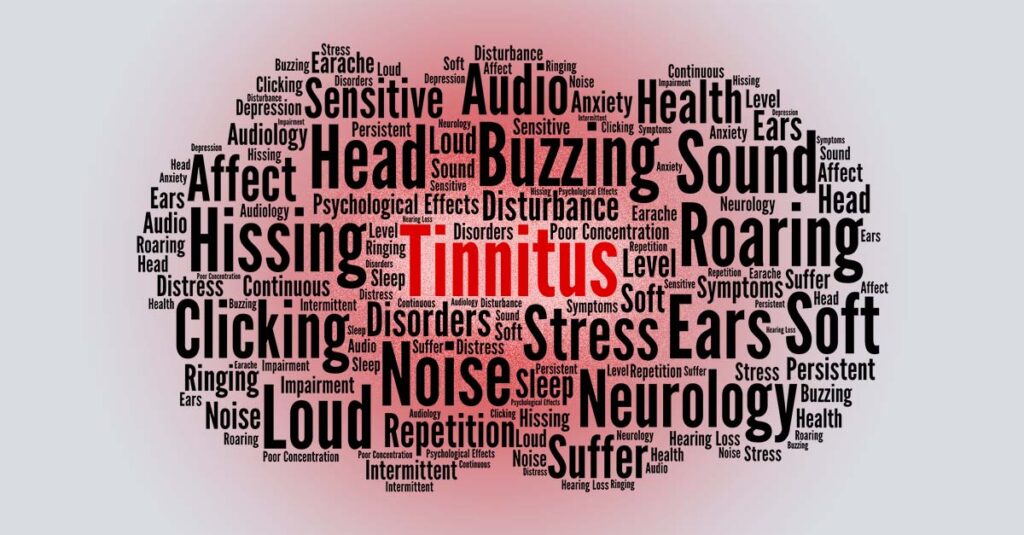
Tinnitus can affect sleep patterns, mental health, concentration, and daily functioning in ways that may qualify as separate secondary conditions. Many evaluations reflect documented secondary connections when supported by medical evidence.
Sleep-Related Secondary Conditions
When tinnitus disrupts sleep patterns, this may constitute a separate secondary condition. For example, some veterans have received separate ratings for secondary insomnia caused by tinnitus-related sleep disruption.
Documentation that has supported secondary sleep connections:
- Sleep studies showing frequent sleep disruption patterns
- Medical records documenting sleep medications prescribed for tinnitus-related insomnia
- Independent medical opinions from sleep specialists explaining how chronic sleep disruption from tinnitus contributes to chronic insomnia
Mental Health Secondary Conditions
Tinnitus can contribute to anxiety or depression, which may be documented as separate secondary conditions. The psychological impact of constant auditory symptoms can affect mood, relationships, and daily functioning. Veterans experiencing psychological distress related to tinnitus may benefit from understanding VA disability benefits for PTSD.
Constant auditory symptoms can trigger anxiety responses, worsen depressive symptoms, and interfere with PTSD recovery in veterans who have been diagnosed with that condition. Some veterans have documented these connections through ongoing mental health treatment and medical opinions linking psychological symptoms to tinnitus.
Hearing Loss as a Related Condition
Many veterans experience both tinnitus and hearing loss. Many veterans receive disability compensation for hearing loss and tinnitus, and proposed changes could affect how these conditions are evaluated together. The VA has proposed changes that will affect how these conditions are rated together.
Medical Documentation the VA Reviews
Complete Medical Evidence
The VA reviews medical documentation that addresses specific diagnostic criteria. Disability Benefits Questionnaires (DBQs) capture medical information in the format the VA uses for evaluation.
Documentation the VA may review:
- Audiological testing with tinnitus pitch and volume matching
- Clear timeline from military service to current symptoms
- Specific descriptions of how tinnitus affects daily activities
- Documentation of treatments attempted
- Medical opinions connecting service to current symptoms
New clinical practice guidelines released in July 2024 emphasize a multidisciplinary approach to tinnitus management. According to Health.mil, the VA/DOD Clinical Practice Guideline for Tinnitus now recognizes that evaluation involves “a group of providers working together,” which may influence how comprehensive medical evidence is evaluated.

Examples of Documentation the VA May Review:
- Service medical records referencing noise exposure
- MOS records
- Deployment records documenting high-noise environments
- Statements from fellow service members
- Independent medical opinion from a qualified provider
- Current audiological evaluation
- Clinical history describing symptom course.
The VA’s Compensation and Pension (C&P) Examination Process
When the VA determines that additional information is needed beyond the medical records submitted with a claim, the VA may schedule a Compensation and Pension (C&P) Exam as described by VA.gov.
REE Medical coordinates independent medical evaluations where licensed healthcare professionals complete Disability Benefits Questionnaires (DBQs) for VA review. Comprehensive, independent documentation provides the VA with clear medical evidence for evaluation.

When Claims Receive Denials
Denials occur for various reasons. According to the VA, veterans who disagree with decisions have several review options available.
Understanding frequent documentation gaps can clarify what information the VA typically reviews.
The VA’s Review Options
According to the VA, veterans may pursue several review pathways when they disagree with a decision:
Higher-Level Review: A senior reviewer examines the same evidence, looking for errors in the original decision.
Supplemental Claim: Veterans can submit new medical evidence for VA review.
Board Appeal: For complex cases involving legal interpretation questions.
Common Documentation Challenges
Many tinnitus claims that receive denials follow similar patterns in terms of documentation gaps.
Evidence Documentation Gaps
Medical records may not fully document the scope of symptoms. Veterans can experience significant tinnitus symptoms, yet medical files may contain limited detail.
Documentation that may be missing:
- Detailed descriptions of symptoms in medical records
- Documentation of treatment attempts and outcomes
- Clear timeline showing symptom onset and progression
- Functional impact statements from healthcare providers
Healthcare documentation that specifically describes tinnitus symptoms and their effects on sleep, work, and daily activities supports a more comprehensive VA review.
Veterans building documentation may benefit from understanding what evidence the VA reviews for disability claims to develop comprehensive records.
Service Connection Documentation Gaps
When service records lack tinnitus documentation or gaps exist between discharge and initial treatment, independent medical opinions that review records and current findings can address those gaps. Independent medical opinions from qualified professionals who review military records, current conditions, and medical literature can explain service connections.
How Independent Medical Evaluations Function
Audiologists or ENT physicians experienced with VA evaluations can provide detailed assessments and medical opinions, typically through accurately completed Disability Benefits Questionnaires (DBQs). Veterans may benefit from understanding how medical evidence functions in VA disability evaluations.

What Independent Evaluations May Provide:
- Comprehensive audiological evaluation with tinnitus matching
- Functional impact assessment documenting daily life limitations
- Independent medical opinion addressing whether the condition is related to military service.
- Secondary condition evaluations (sleep, mental health, etc.)
- Treatment history and response documentation
- Specialist opinions from ENT or audiology providers
- Objective testing results when available
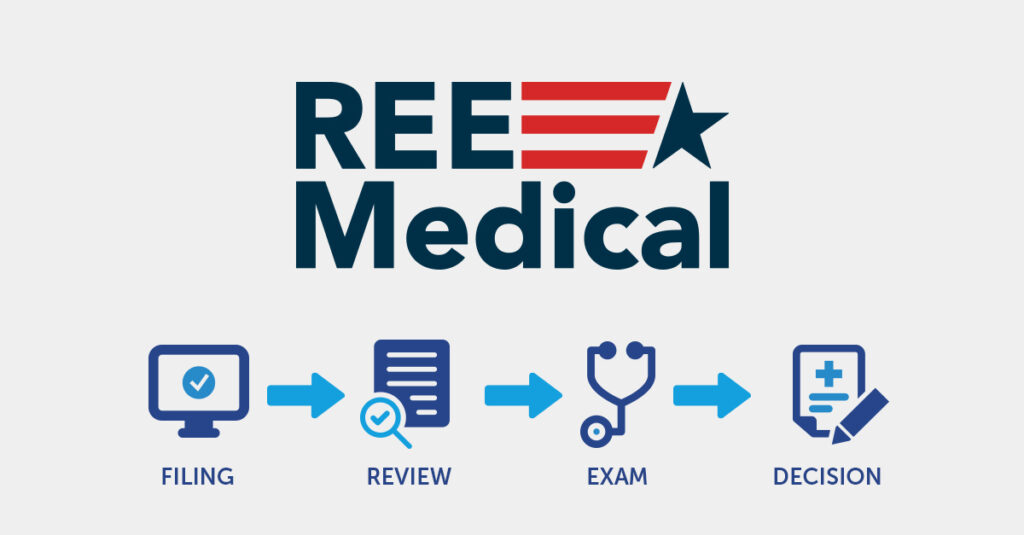
How REE Medical Coordinates Medical Documentation
REE Medical coordinates connections between veterans and independent, licensed healthcare providers experienced with VA evaluation requirements. These providers complete objective medical documentation and DBQs for VA review.
REE Medical coordinates independent medical documentation that supports VA evaluation processes. Veterans who have experienced incomplete medical evidence in past tinnitus claims or who believe their conditions are not fully documented can access independent, licensed medical professionals who provide thorough, accurate DBQs.
What makes REE Medical’s coordination different:
- Providers experienced with VA disability requirements
- Comprehensive evaluations beyond basic hearing tests
- Detailed documentation using VA evaluation formats
- Evaluation of potential secondary conditions when clinically appropriate
Whether tinnitus is unrated or part of an updated evaluation, REE Medical’s coordination provides comprehensive medical documentation for VA review. REE Medical does not prepare, present, or prosecute VA disability claims; all rating determinations are made solely by the Department of Veterans Affairs.
For Veterans with Existing Ratings
Some veterans receive separate ratings for clinically supported secondary conditions (e.g., sleep or mental health), when medical evidence establishes a relationship.
Final Thoughts
The VA’s tinnitus rating system follows specific regulatory frameworks. Clear evaluation criteria and comprehensive medical documentation help the VA accurately review a veteran’s condition.
Tinnitus is a real condition with real impacts on daily functioning. The claims process involves building comprehensive evidence, thorough documentation, and understanding VA evaluation processes.
Effective medical documentation extends beyond tinnitus itself to include any clinically supported secondary conditions and the functional impact described in medical records. Veterans who approach documentation strategically, documenting secondary conditions, obtaining quality medical evidence, and understanding VA evaluation criteria may experience more favorable outcomes.
Tinnitus claims involve documenting not just auditory symptoms but how this condition affects multiple aspects of health and daily functioning.

Frequently Asked Questions
Q: What rating does the VA assign for tinnitus?
According to the VA, tinnitus receives a 10% rating regardless of severity. No higher rating exists under current regulations for tinnitus as a standalone condition.
Q: How does the VA evaluate bilateral tinnitus?
Per VA regulations, bilateral tinnitus (both ears) typically receives the same 10% rating as unilateral tinnitus (one ear).
Q: What are secondary conditions related to tinnitus?
According to medical literature, tinnitus can contribute to sleep disorders, anxiety, depression, and other conditions that may qualify as separate secondary conditions when medical evidence establishes the connection.
Q: What is a C&P examination?
Per VA guidance, a Compensation & Pension examination is an evaluation the VA may schedule when additional medical information is needed to make a rating determination.
Q: What if service medical records don’t mention tinnitus?
According to the VA, independent medical opinions from qualified professionals can explain service connections even when service records lack specific documentation. Buddy statements from fellow service members can also support claims.
Q: What medical documentation does the VA review?
Per VA guidelines, the VA reviews audiological testing, treatment records, medical opinions, service connection evidence, and documentation of functional impacts on daily activities.
Q: How do I document secondary conditions?
According to the VA, secondary conditions require medical evidence establishing that a service-connected condition (like tinnitus) caused or aggravated another condition (like insomnia or anxiety).
Q: What happens if my claim is denied?
According to the VA, veterans who disagree with decisions may pursue Higher-Level Review (for decision errors), Supplemental Claims (when new evidence is available), or Board Appeal (for complex legal questions).
Q: Are there recent changes to tinnitus ratings?
Yes. According to recent VA proposals, tinnitus will be rated as a symptom of hearing loss rather than as a standalone condition. Veterans who have not yet established service connection for tinnitus may find these changes affect their claims.
Q: What is a DBQ?
According to the VA, a Disability Benefits Questionnaire (DBQ) is a standardized form that captures medical information in the format the VA uses for evaluation. Licensed healthcare providers complete DBQs based on medical examinations.
DISCLAIMER
REE Medical, LLC is not a Veterans Service Organization (VSO) or a law firm and is not affiliated with the U.S. Veterans Administration (“VA”). Results are not guaranteed, and REE Medical, LLC makes no promises. REE Medical’s staff does not provide medical advice or legal advice, and REE Medical is not a law firm. Any information discussed, such as, but not limited to, the likely chance of an increase or service connection, estimated benefit amounts, and potential new ratings, is solely based on past client generalizations and not specific to any one patient. The doctor has the right to reject and/or refuse to complete a Veteran’s Disability Benefit Questionnaire if they feel the Veteran is not being truthful. The Veteran’s Administration is the only agency that can make a determination regarding whether or not a Veteran will receive an increase in their service-connected disabilities or make a decision on whether or not a disability will be considered service-connected. This business is not sponsored by, or affiliated with, the United States Department of Veterans Affairs, any State Department of Military and Veterans Affairs, or any other federally chartered veterans service organization.