


VA Form 21-8940: Understanding Individual Unemployability Benefits
TL;DR
- VA Form 21-8940 allows veterans with lower disability ratings to apply for compensation if service-connected conditions prevent employment
- The VA evaluates eligibility based on either one disability at 60% or higher, or multiple disabilities totaling 70% or higher with one at 40% or higher
- Medical evidence for Individual Unemployability (IU) must specifically address how disabilities prevent employment, not just general disability severity
- Documented work attempts—including those that were unsuccessful—provide evidence of good-faith efforts to maintain employment despite disability limitations
- Processing typically takes several months, and comprehensive medical documentation supports accurate VA evaluation
- Independent medical evaluations can address evidence gaps that standard VA examinations may not cover
- Appeals often require new medical evidence that specifically addresses the reasons cited in the denial
Understanding VA Form 21-8940 and Its Critical Role
VA Form 21-8940 serves as a specialized application for veterans whose service-connected disabilities prevent employment, even when their combined disability rating does not reach 100%. This form operates under Title 38 of the U.S. Code, recognizing that disability ratings do not always reflect real-world work capacity limitations. The Individual Unemployability (IU) benefit provides 100% compensation rates to qualifying veterans, acknowledging that some conditions create employment barriers that exceed their numerical ratings.
Many veterans become aware of VA Form 21-8940 only after experiencing financial difficulties while living with disabilities that make work impossible. The VA designed Form 21-8940 specifically for situations where a disability rating tells one story, but actual ability to maintain employment tells another.
Consider a veteran with a 70% combined rating whose PTSD makes handling workplace stress impossible, or whose back injury prevents sitting or standing for extended periods. Such circumstances may indicate unemployability. Individual Unemployability benefits bridge the gap between a rating and real-world functional limitations.
The legal framework behind this form acknowledges that disability impact varies dramatically between individuals. Two veterans with identical 60% PTSD ratings might have completely different work capacities. One might manage part-time employment with accommodations, while another experiences severe anxiety, panic attacks, or cognitive issues that prevent any work environment from being sustainable.
Understanding the broader context of disability ratings is valuable when considering whether VA disability rating increases might affect threshold requirements for Form 21-8940.
Why Standard Disability Ratings May Not Reflect Employability
Standard VA disability ratings focus on medical severity rather than functional capacity in work settings. A 40% rating for depression, for example, might not capture how memory problems, concentration issues, and social anxiety affect employability in today’s job market.
The rating system evaluates medical conditions in isolation, but real-world employment requires multiple systems working together. When service-connected disabilities create a combination of limitations—physical pain affecting concentration, mental health issues impacting reliability, or cognitive problems preventing skill acquisition—the combined effect on employment often exceeds the sum of individual ratings.
The Financial Reality of IU Benefits
Individual Unemployability benefits pay at the 100% disability rate, which for many veterans represents the difference between financial stability and hardship, especially when disabilities prevent meaningful employment.
The benefit also provides access to additional VA programs. More importantly, it offers financial security that allows veterans to focus on managing health rather than forcing themselves into jobs that may worsen their conditions.
According to VA administrative changes implemented in 2019, the unemployability verification process was updated to reduce unnecessary burdens on veterans. The VA now uses Social Security Administration wage matching to identify veterans earning above poverty thresholds, only requiring additional verification when necessary.
Eligibility Requirements for VA Form 21-8940
VA Form 21-8940 eligibility centers on two key pathways: having one service-connected disability rated at 60% or higher, or multiple service-connected disabilities with at least one at 40% and a combined rating of 70% or higher. Beyond these rating thresholds, veterans must demonstrate that substantially gainful employment is not possible due to service-connected conditions. The VA evaluates both medical evidence and vocational factors when determining unemployability.
Before pursuing VA Form 21-8940, understanding what determines a VA rating can clarify whether threshold requirements are met.
Eligibility Overview
| Eligibility Pathway | Rating Requirements | Additional Criteria |
| Single Disability | One disability at 60% or higher | Evidence that the condition prevents substantially gainful employment |
| Multiple Disabilities | 70% or higher combined with one at 40% or higher | Combined effect must prevent employment |
| Age Considerations | No minimum age requirement | Vocational factors considered for older veterans |
Rating Threshold Pathways
Pathway One: Single disability at 60% or higher. This route applies for veterans with one dominant condition that severely impacts work capacity. A 60% PTSD rating combined with documented evidence of workplace limitations could qualify, even if other conditions are rated lower.
Pathway Two: Multiple disabilities totaling 70% or higher with one at 40% or higher. This pathway recognizes that combined disabilities often create unemployability even when no single condition reaches 60%. A veteran with 40% PTSD, 30% back injury, and 20% hearing loss (totaling 70% or higher using VA math) might find that the combination makes employment impossible.
The VA uses specific calculations for combined ratings—they do not simply add percentages. A 40% and 30% rating combines to 58%, not 70%. Understanding this calculation methodology clarifies which pathway applies to each situation.
The Substantially Gainful Employment Standard
The VA defines substantially gainful employment as work providing income above the federal poverty threshold for one person. Part-time work earning a modest monthly amount would not automatically disqualify a veteran from IU benefits.
The key consideration is not whether a veteran can perform any work—it is whether maintaining employment that provides a living wage is possible. Marginal employment requiring special accommodations, frequent absences, or reduced hours often provides evidence of disability limitations rather than undermining an IU application.
Service Connection Requirements
All disabilities contributing to unemployability must be service-connected. Secondary conditions caused by service-connected disabilities count toward eligibility, but medical evidence establishing the connection is necessary.
For example, if service-connected PTSD caused depression and anxiety disorders, those secondary conditions can contribute to combined ratings and the unemployability analysis. However, non-service-connected conditions—regardless of severity—do not count toward IU eligibility.

Medical Evidence Requirements for VA Form 21-8940
Medical evidence for VA Form 21-8940 must go beyond general disability documentation to specifically address how service-connected conditions affect employment capacity. The VA reviews objective medical findings, detailed physician statements about functional limitations, and comprehensive assessments that correlate disability symptoms with specific work restrictions. Mental health claims require specialized documentation including cognitive assessments and social functioning evaluations.
The quality of medical evidence significantly impacts VA Form 21-8940 evaluations, making it essential to understand the importance of medical evidence in VA disability claims before submitting an application.
Physician Statements That Address Work Capacity
Effective physician statements address specific work-related limitations rather than general medical findings. Rather than stating only that a patient has chronic pain, documentation describing how chronic pain prevents sitting longer than 15 minutes, standing longer than 10 minutes, and lifting more than 5 pounds provides the VA with information relevant to employment capacity.
Physicians should address reliability issues—whether consistent attendance is possible and how pain flares, PTSD episodes, or medication side effects impact the ability to show up and perform consistently. Employers require reliable workers, and intermittent symptoms often create more employment barriers than constant limitations.
Statements should also address prognosis. Whether conditions are likely to improve with treatment or represent permanent limitations informs the VA’s understanding of whether unemployability is temporary or long-term.
Functional Capacity Evaluations
Functional Capacity Evaluations (FCEs) provide objective measurements of work-related abilities. These comprehensive assessments measure lifting capacity, walking endurance, concentration duration, and stress tolerance—all crucial factors for employment.
FCEs are valuable because they provide measurable data rather than subjective opinions. When an FCE shows a veteran can only concentrate for 10-minute intervals or lift a maximum of 8 pounds, it creates concrete evidence of work limitations.
Evaluations should test abilities relevant to potential employment options. A veteran with mechanical experience benefits from an FCE that assesses ability to perform mechanical tasks, not just general physical abilities. This specificity demonstrates how limitations affect actual job prospects.
Mental Health Documentation
Mental health-related unemployability requires specialized documentation addressing cognitive function, social interaction, and stress tolerance. Standard psychiatric evaluations often miss work-specific limitations that are relevant for IU applications.
Cognitive Assessment: Memory problems, concentration difficulties, and processing speed issues significantly impact employment but often go undocumented in routine mental health treatment. Neuropsychological testing can provide objective data about cognitive limitations that affect work capacity.
Social Functioning: Many jobs require interpersonal interaction, teamwork, and customer service skills. PTSD, anxiety, and depression can limit these abilities, but specific documentation of social functioning limitations—rather than general mental health diagnoses—provides relevant evidence.
Stress Tolerance: Work environments involve deadlines, supervision, criticism, and pressure. Mental health conditions often affect stress tolerance, and this aspect benefits from explicit documentation from mental health providers who understand workplace demands.
Treatment History and Compliance
Consistent treatment demonstrates the ongoing nature and severity of conditions. The VA reviews whether symptoms persist despite treatment efforts.
Documentation of all treatment attempts—including medications that did not produce desired results, therapies that provided limited benefit, and hospitalizations—becomes part of the record. If treatments cause side effects that affect work capacity (like sedating medications), documenting these impacts addresses additional employment barriers.
Employment History Documentation
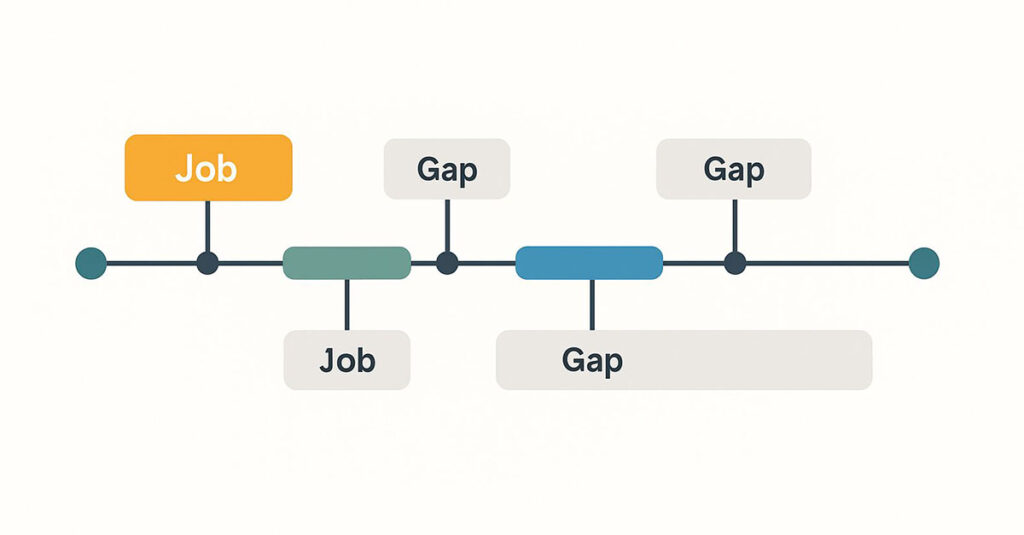
Employment history analysis for VA Form 21-8940 involves documenting how service-connected disabilities affected work patterns, performance, and job retention. The VA examines employment before and after military service, looking for evidence that disabilities caused employment difficulties.
Pre-Military vs. Post-Military Employment Patterns
Strong employment history before military service followed by employment difficulties afterward provides context for service connection and unemployability. A pattern of steady jobs for years before service followed by struggles with job retention afterward may support an IU application.
Documentation of specific changes in work capacity is relevant. A veteran who worked construction for 15 years before military service but cannot perform physical labor afterward due to back injuries demonstrates how service-connected conditions affect employment capacity.

Documenting Work Attempts
Every job attempted since disabilities worsened provides evidence for an IU application—including jobs that did not work out. Documented employment attempts demonstrate good-faith efforts to work despite limitations.
Key Documentation Elements:
- Job duration and reasons for leaving
- Accommodations requested or needed
- Performance issues related to disabilities
- Supervisor observations about limitations
- Medical appointments that affected attendance
- Specific incidents where disabilities impacted work
According to VA procedures, Form 21-4192 may be sent to employers to request verification of employment details. This employer verification process allows the VA to understand workplace limitations from the employer’s perspective, making thorough documentation of work attempts valuable.
Employment Documentation Checklist
| Category | Required Information | Supporting Evidence |
| Pre-Military Employment | Job titles, duration, performance | Pay stubs, performance reviews |
| Post-Military Employment | All attempts, reasons for leaving | Termination letters, accommodation requests |
| Work Attempts | Specific disability-related issues | Supervisor statements, medical appointments |
| Current Marginal Employment | Hours, wages, accommodations needed | Pay stubs showing income below poverty threshold |
Common Processing Considerations
VA Form 21-8940 applications may face challenges when medical evidence does not specifically link disabilities to unemployability, employment history documentation is incomplete, or the substantially gainful employment standard is misunderstood.
Understanding common considerations is valuable since many veterans encounter VA disability filing mistakes that could be addressed with proper preparation and guidance.
Medical Evidence That Addresses Work Capacity
A common challenge involves medical evidence that addresses general disability but does not specifically discuss work capacity. Medical records might document PTSD symptoms without addressing how those symptoms affect employment.
Common Evidence Considerations:
- Medical records that address work limitations specifically
- Functional assessments rather than only disability statements
- Correlation between symptoms and job requirements
- Objective testing for cognitive or physical limitations
- Documentation of symptom variability and unpredictability
Requesting work-specific medical opinions from providers addresses these gaps. Providers can address how conditions affect concentration, reliability, interpersonal interaction, stress tolerance, and physical capacity in work settings.
Understanding Form Requirements
The VA Form 21-8940 contains several sections requiring specific information. Section III asks questions about disability impact on work, and the employment history section requests information for the last five years worked—not the last five calendar years. This distinction matters for accurate completion.
Veterans should only list disabilities that are officially service-connected by the VA when completing the form sections about conditions affecting employment. According to VA requirements, the form specifically addresses service-connected disabilities that affect work capacity.
Processing Timelines and Preparation
Recent medical evidence—documentation obtained within 90 days of filing—carries significance in VA reviews. Coordinating comprehensive evaluations before filing supports accurate VA assessment of current functional capacity.

Pre-Filing Medical Documentation
Obtaining evaluations that specifically address employability within a reasonable timeframe before filing supports a VA Form 21-8940 application. Current, relevant documentation focused on work-related limitations provides the VA with evidence to evaluate.
Scheduling evaluations with providers who understand IU requirements supports the process. Evaluations that address work capacity specifically—rather than only general medical findings—provide relevant evidence for VA review.
Considering evidence gaps in existing medical records and addressing them—whether through cognitive testing, functional capacity evaluation, or mental health assessment focused on work limitations—before filing supports thorough documentation.
Understanding VA Processing
After submitting VA Form 21-8940, the VA typically takes several months to make a decision. Complete applications with comprehensive evidence generally move through the system more efficiently than incomplete submissions that require additional evidence requests.
The VA processes applications in the order received. Applications submitted with comprehensive documentation that addresses the key questions—rating thresholds, medical evidence of unemployability, and employment history—support efficient review.
Review Options Following VA Decisions
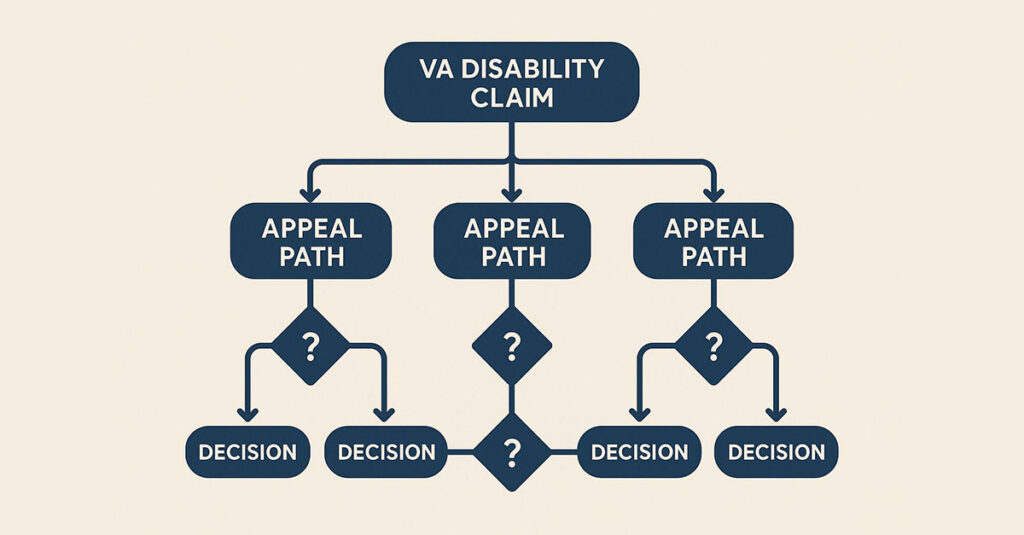
Veterans who receive an unfavorable decision on VA Form 21-8940 have multiple review options available. According to the VA, these include Supplemental Claims, Higher-Level Reviews, and Board of Veterans’ Appeals. Each pathway involves specific evidentiary standards, and updated medical documentation often plays an important role in accurate reevaluation.
When VA Form 21-8940 applications receive unfavorable decisions, understanding how to challenge a low VA rating can inform review strategies.
Understanding Decision Letters
VA decision letters contain information about why specific determinations were made. Reviewing the reasoning provides insight into what the VA reviewer found relevant.
Common decision factors include:
- Medical evidence regarding unemployability
- Rating threshold requirements
- Evidence regarding ability to perform sedentary work
- Documentation of work attempts
- Correlation between disabilities and employment limitations
Supplemental Claims
According to the VA, Supplemental Claims allow veterans to submit new and relevant evidence. This option applies when additional medical evidence, employment documentation, or vocational assessments address the factors cited in the original decision.
New evidence must be relevant to the unemployability determination. If the original decision cited insufficient medical evidence of work limitations, submitting additional general medical records may not address this concern—functional capacity assessments that specifically address work limitations would be more relevant.
Higher-Level Reviews
Per VA guidance, Higher-Level Reviews involve a senior VA reviewer examining existing evidence. This option applies when a veteran believes the original reviewer may have evaluated the evidence differently than warranted.
Higher-Level Reviews are generally faster than Supplemental Claims but do not consider new documentation. This option is appropriate when existing evidence supports the application and a fresh review of that evidence is sought.
Board of Veterans’ Appeals
According to the VA, Board Appeals involve independent reviewers who were not involved in the original decision. Veterans can choose hearings with Board members, submit additional evidence, or request review of existing evidence only.
Board Appeals take longer than other options but provide thorough review. This pathway applies for complex cases involving multiple disabilities, unusual circumstances, or significant evidence questions.
How REE Medical Coordinates Independent Medical Documentation
When existing medical records do not adequately address work limitations, independent medical evaluations can provide documentation that addresses evidence gaps. REE Medical coordinates access to a nationwide network of experienced, licensed healthcare professionals who conduct comprehensive medical evaluations that meet VA formatting standards while focusing specifically on how disabilities impact work capacity.
REE Medical coordinates comprehensive medical documentation that addresses the specific requirements for VA Form 21-8940, building on expertise in initial claims and increase claims.
Comprehensive Disability Documentation
REE Medical’s network of licensed providers conducts evaluations that address how conditions impact daily life and work capacity, supporting medical documentation that reflects functional limitations. This documentation approach addresses the specific employability factors that the VA evaluates.
Evaluations go beyond basic medical findings to include detailed assessments of functional limitations, work capacity, and the specific ways disabilities interfere with employment. This comprehensive approach supports clear communication of the full impact of service-connected conditions to VA decision-makers.
Addressing Common Evidence Gaps
Many IU applications face challenges due to medical evidence that addresses general disability severity rather than specific employability factors. REE Medical’s providers understand these common gaps and structure evaluations to address them.
Evidence Gaps REE Medical’s Evaluations Address:
- Functional capacity assessments
- Documentation of cognitive limitations
- Correlations between symptoms and work restrictions
- Assessment of reliability and consistency issues
- Documentation of symptom variability
Providers are familiar with disability-focused documentation and VA-standardized forms, supporting evaluations that address specific aspects of unemployability.

Compliance and Objectivity
REE Medical operates under strict compliance guidelines that ensure neutrality, transparency, and adherence to federal regulations (38 U.S.C. §§ 5901–5905). REE Medical does not prepare, present, or submit VA disability claims and does not provide legal or representational services. REE Medical’s role is limited to coordinating independent, objective medical evaluations within full legal and ethical boundaries.
This neutral approach supports accurate medical documentation that reflects each veteran’s true condition while maintaining the integrity of the VA process. Objective documentation provides the foundation for thorough evidence packages.
Veterans can learn more about coordinating comprehensive medical documentation for VA Form 21-8940 by contacting REE Medical for an informational consultation about independent medical evaluations.
Final Thoughts
VA Form 21-8940 represents an important pathway for veterans whose service-connected disabilities prevent employment despite not meeting traditional 100% rating thresholds. The process involves understanding that unemployability evaluations differ from standard disability evaluations, requiring specific evidence that correlates medical conditions with work limitations rather than general disability severity.
Understanding the broader context of VA disability benefits, including what evidence is needed for disability claims, supports comprehensive VA Form 21-8940 applications that address all necessary requirements.
The VA evaluates whether a specific combination of service-connected conditions prevents earning a living wage in competitive employment. This requires evidence that goes beyond standard medical records to include detailed functional assessments, work capacity evaluations, and comprehensive documentation of how disabilities affect aspects of employment.
Documented work attempts—including those that were unsuccessful—provide evidence of good-faith efforts to maintain employment despite disability limitations. Veterans who attempted multiple jobs and could not sustain any of them due to service-connected conditions have documented their employment challenges, especially when specific examples of how disabilities affected work performance are included.
Whether filing an initial VA Form 21-8940 application or pursuing a review following an unfavorable decision, focusing on building a comprehensive evidence package that describes how service-connected disabilities affect substantially gainful employment supports accurate VA evaluation.

Frequently Asked Questions
What is VA Form 21-8940?
According to the VA, VA Form 21-8940 is the application for Individual Unemployability (IU) benefits, which provides compensation at the 100% disability rate for veterans whose service-connected disabilities prevent substantially gainful employment, even when their combined rating is less than 100%.
What are the rating requirements for IU?
Per VA requirements, veterans typically need either one service-connected disability rated at 60% or higher, or multiple service-connected disabilities with a combined rating of 70% or higher with at least one disability rated at 40% or higher.
What does substantially gainful employment mean?
According to the VA, substantially gainful employment refers to work that provides income above the federal poverty threshold for one person. Marginal employment below this threshold may not disqualify veterans from IU benefits.
How long does processing take?
The VA typically takes several months to make a decision on VA Form 21-8940 applications. Complete applications with comprehensive evidence generally move through the system more efficiently.
What review options are available after an unfavorable decision?
According to the VA, veterans who receive unfavorable decisions may pursue Supplemental Claims with new evidence, Higher-Level Reviews of existing evidence, or Board of Veterans’ Appeals. Each pathway involves different timelines and evidentiary standards.
How does REE Medical support veterans with VA Form 21-8940?
REE Medical coordinates independent medical evaluations and DBQs prepared by licensed healthcare professionals. These evaluations provide objective documentation that addresses how disabilities affect work capacity. REE Medical does not file claims, provide legal services, or represent veterans before the VA.
Disclosure
DISCLAIMER: REE Medical, LLC is not a Veterans Service Organization (VSO) or a law firm and is not affiliated with the U.S. Veterans Administration (“VA”). Results are not guaranteed, and REE Medical, LLC makes no promises. REE Medical’s staff does not provide medical advice or legal advice, and REE Medical is not a law firm. Any information discussed, such as, but not limited to, the likely chance of an increase or service connection, estimated benefit amounts, and potential new ratings, is solely based on past client generalizations and not specific to any one patient. The doctor has the right to reject and/or refuse to complete a Veteran’s Disability Benefit Questionnaire if they feel the Veteran is not being truthful. The Veteran’s Administration is the only agency that can make a determination regarding whether or not a Veteran will receive an increase in their service-connected disabilities or make a decision on whether or not a disability will be considered service-connected. This business is not sponsored by, or affiliated with, the United States Department of Veterans Affairs, any State Department of Military and Veterans Affairs, or any other federally chartered veterans service organization.