
VA Form 21-10210: An Overview of Witness Statements and Disability Claims
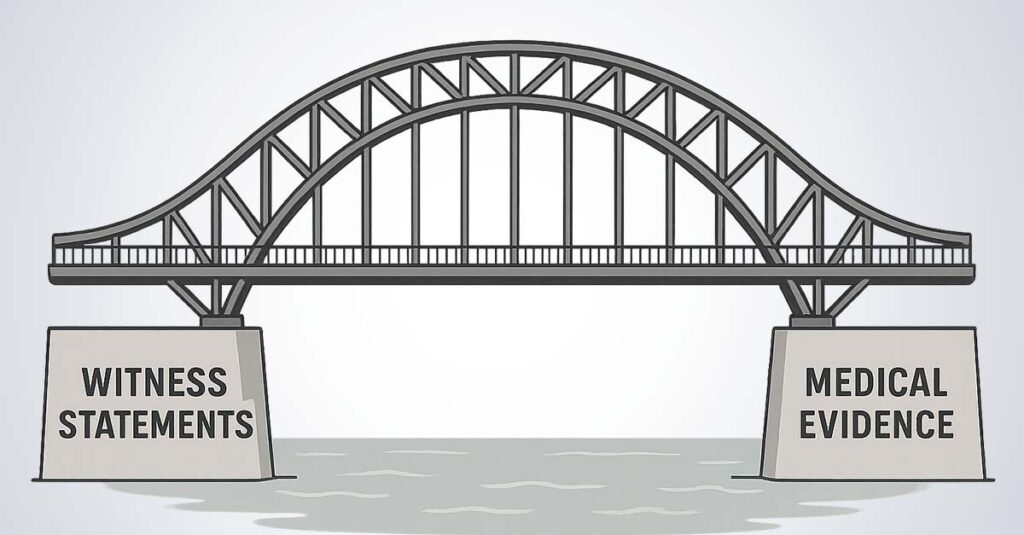
VA Form 21-10210 has become one of the most influential yet misunderstood tools in the modern disability claims process. While most veterans focus on medical records and diagnostic evidence, this form unlocks the power of firsthand testimony—capturing the lived experiences, behavioral changes, and functional limitations that rarely appear in clinical notes. When coordinated with medical evidence, a well-documented witness statement can bridge critical evidence gaps and provide the VA with a more complete picture of how service-connected conditions affect daily life.
As a sworn statement submitted under penalty of perjury, the VA Form 21-10210 carries legal authority that compels the VA to consider documented observations as direct evidence. Its structured format standardizes witness testimony, ensuring that specific dates, observable behaviors, and real-world functional impacts are captured in a way that supports service connection and rating accuracy. Recent guidance from veteran advocates underscores how witness testimony has become increasingly important for claims affected by undocumented injuries, missing service records, or complex conditions that fluctuate over time.
The Department of Veterans Affairs is entrusted with protecting the physical health and mental well-being of those who served, but the process of obtaining benefits can be time-consuming and emotionally exhausting—even with compelling evidence and a concrete service connection. This reality makes VA Form 21-10210 one of the most underutilized yet powerful tools available to veterans navigating disability evaluations.
TL;DR
- VA Form 21-10210 serves as sworn testimony under penalty of perjury, carrying significant legal weight in disability evaluations
- Any person with personal knowledge of a veteran’s condition can serve as a witness, though longer observation periods create stronger evidence
- Effective statements require specific dates, observable behaviors, and concrete examples rather than medical opinions
- Witness statements complement medical evidence by providing real-world context that clinical assessments often miss
- Different disability types require tailored documentation approaches for maximum impact
- Strategic coordination between lay evidence and professional medical evaluations creates the strongest foundation for claims
Understanding the VA Form 21-10210 Framework
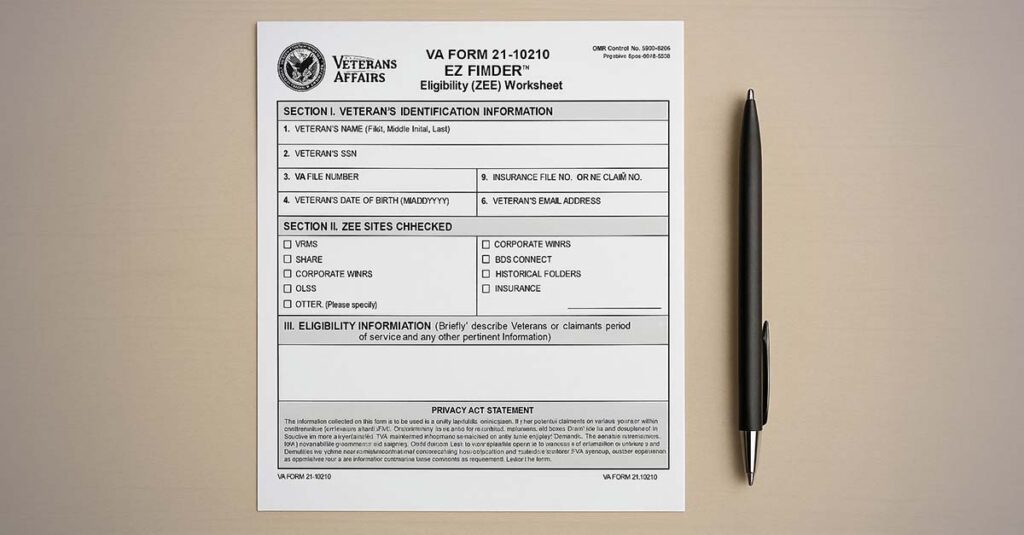
VA Form 21-10210 functions as a structured legal document that captures witness testimony to support veterans’ disability evaluations. This framework transforms observations from family members, friends, colleagues, and fellow service members into admissible evidence that documents observable impacts of service-connected conditions. The form’s legal standing as sworn testimony under penalty of perjury makes accuracy and completeness essential, while its ability to capture real-world functional impacts provides crucial context that medical records alone cannot convey.
According to veteran advocate Larry Dandridge, “Many times, it is possible that an event or injury that occurred during service was never documented because the veteran’s records were lost, destroyed (for example, the 1973 National Archives fire in St. Louis destroyed 18 million military files), or never existed.” This massive loss of documentation makes witness statements even more critical for establishing service connection.
Veterans often struggle with understanding what evidence strengthens their disability evaluations. Many veterans encounter situations where medical records alone don’t fully capture the scope of their conditions, and witness statements provide crucial documentation that clinical records cannot convey. Understanding the reasons VA disability claims get denied helps veterans recognize where additional evidence like witness statements can fill critical gaps.
Essential Components That Make or Break Documentation
The core purpose of VA Form 21-10210 centers on gathering firsthand accounts that document changes in a veteran’s condition, behavior, or functional capacity across different time periods. These components work together to create a comprehensive picture of how service-connected conditions affect daily life, with each element contributing specific types of evidence that strengthen the overall disability narrative.
The form isn’t just paperwork—it provides an opportunity to show the VA how disabilities actually affect daily life beyond what clinicians observe during brief appointments.
The Legal Weight Behind Every Word
VA Form 21-10210 carries the same legal authority as sworn court testimony, with witnesses signing under penalty of perjury. This legal framework demands absolute accuracy and completeness, as false statements can result in serious legal consequences while truthful, detailed accounts significantly strengthen credibility in VA evaluations.
Witness statements become part of the official record. Each signature transforms personal observations into legal evidence that the VA must consider during their decision-making process. This represents formal testimony that can influence disability determinations.
According to the form itself, as noted by Larry Dandridge: “VA Form 21-10210 states, ‘The law provides severe penalties which include fine or imprisonment, or both, for the willful submission of any statement or evidence of a material fact knowing it to be false, or for fraudulent receipt of any document to which you are not entitled.'”

Who Can Provide Helpful Testimony
Witness eligibility extends to any individual with personal knowledge of the veteran’s condition, though the strength of testimony varies significantly based on relationship duration, observation frequency, and specific knowledge of pre-service versus post-service functioning. Longer observation periods and closer relationships typically provide more compelling and credible evidence.
A spouse who has observed struggles with sleep for years typically provides stronger testimony than a neighbor with occasional observations. However, anyone who has witnessed significant changes can contribute valuable perspective—sometimes the most powerful statements come from unexpected sources.
Military colleagues who served alongside veterans offer unique perspectives on in-service incidents. Supervisors can document workplace accommodations that have been necessary. Even casual friends might have observed social withdrawal patterns that speak volumes about mental health impacts.
Witness Type Effectiveness:
| Witness Type | Observation Strength | Best Used For | Duration Needed |
| Spouse/Partner | Very High | Daily functioning, sleep patterns, relationship impacts | 6+ months |
| Family Members | High | Behavioral changes, activity limitations, family dynamics | 6+ months |
| Military Colleagues | Very High | Service incidents, duty performance changes | During service |
| Coworkers | Medium-High | Workplace accommodations, performance decline | 3+ months |
| Friends | Medium | Social withdrawal, personality changes | 6+ months |
| Healthcare Workers | Medium | Treatment compliance, symptom progression | 3+ months |
Documentation Standards That Matter
Effective witness statements must include specific dates, observable behaviors, functional limitations, and concrete examples while avoiding general opinions or medical diagnoses. The VA evaluates factual observations rather than conclusions, making detailed documentation of witnessed events and changes essential for statement credibility and usefulness.
Vague statements like “he seems depressed” provide limited value. But detailed accounts like “I’ve noticed John hasn’t attended our monthly poker games since returning from deployment in 2019, and when he does visit, he sits with his back to the wall and startles at sudden noises” provide concrete evidence the VA can evaluate.
Witnesses become skilled observers, not amateur diagnosticians. The goal is painting a clear picture of what they’ve observed, not interpreting what it means medically.
Example – Effective vs. Ineffective Statement Comparison:
Ineffective: “John seems to have back problems and appears to be in pain sometimes.”
Effective: “Since John’s return from Afghanistan in March 2018, I’ve observed him using the handrail when climbing our office stairs, taking the elevator instead of stairs when possible, and frequently shifting positions during our weekly team meetings. He grimaces when standing up from his desk and has mentioned needing to ice his back after work at least three times per week.”

Strategic Integration with Medical Evidence
Lay witness statements achieve maximum effectiveness when strategically coordinated with professional medical evaluations, creating comprehensive evidence packages that address both clinical findings and real-world functional impacts. This integration provides the VA with complete disability narratives that demonstrate how conditions affect veterans across multiple life domains, from clinical symptoms to daily living challenges.
Understanding how medical evidence impacts VA disability evaluations helps veterans coordinate witness statements with clinical documentation for stronger overall presentations.
Timeline Correlation Techniques
Successful witness statements align observations with medical treatment records and service history to create cohesive disability narratives. This correlation technique involves matching witnessed changes with documented medical events, service incidents, and treatment timelines to establish clear connections between military service and current functional limitations.
Witness statements need to tell the same story as medical records, just from different perspectives. When a spouse documents that back pain worsened after a specific deployment, and medical records show treatment for the same condition during that timeframe, the evidence creates powerful corroboration.
Timing matters enormously. If witnesses can pinpoint when they first noticed changes, and those dates align with service events or medical treatment, the case for service connection becomes much stronger.
Supporting Multiple Conditions
Single witness statements can effectively address multiple disabilities when witnesses have observed various symptoms, though separate forms may strengthen documentation for distinct conditions depending on the complexity and relationship between different disabilities. Strategic decisions about single versus multiple forms depend on witness knowledge and the specific conditions being documented.
Sometimes multiple conditions share common functional impacts. Back pain might limit physical activities while PTSD affects social situations—but both contribute to employment difficulties. A single, well-crafted statement can capture these complex relationships when the witness has observed all aspects of how conditions interact.
Completion Process and Best Practices
Proper completion of VA Form 21-10210 requires strategic planning that begins with careful witness selection and thorough preparation before any writing begins. This process involves understanding what evidence strengthens disability documentation most effectively, preparing witnesses to provide detailed and accurate testimony, and ensuring final statements meet VA standards while maximizing their evidentiary value.
According to Your Island News, “Warning: The VA will not seek out buddy statements for a veteran or family member. If done correctly, Lay Witness statements can be powerful supporting information that the VA will consider credible evidence.”
Understanding how to fill out VA Form 21-10210 correctly from the beginning prevents common issues that can weaken otherwise strong statements.
Step-by-Step Completion Guide
The form completion process follows a structured approach that starts with witness preparation and progresses through detailed documentation of observable impacts on the veteran’s life and functioning. Each step builds upon the previous one, ensuring that final statements provide comprehensive, credible evidence that supports specific disability documentation while maintaining factual accuracy and legal compliance.
Many veterans approach this process backwards—handing someone the form and asking them to fill it out. That approach often produces weak statements that provide limited value.
Witness Preparation Phase
Before completing any forms, witnesses should review their relationship timeline with the veteran, gather relevant dates and events, and focus on specific observable changes rather than assumptions or medical conclusions. This preparation phase ensures witnesses can provide detailed, accurate testimony that strengthens rather than weakens disability documentation.
Starting with honest conversations about what witnesses have observed helps them understand the difference between helpful observations and harmful speculation.
Walking through the relationship timeline together clarifies important details. When did they first meet the veteran? What was the veteran’s condition like before military service (if they knew them then)? What changes have they noticed since return from service?
Encouraging witnesses to think about specific incidents rather than general impressions produces stronger statements. The time a veteran couldn’t attend a daughter’s graduation because crowds triggered panic attacks tells a much stronger story than “he doesn’t like crowds anymore.”
Witness Preparation Checklist:
- Review relationship timeline and duration
- Identify specific dates of observed changes
- Gather examples of functional limitations witnessed
- Distinguish between observations and medical opinions
- Collect contact information and relationship details
- Understand penalty of perjury implications
- Review veteran’s service history for context
Form Section Navigation
Each section of VA Form 21-10210 requires specific information types, from basic identifying information to detailed narrative descriptions of witnessed symptoms and functional limitations. Understanding what information belongs in each section ensures comprehensive documentation while avoiding common mistakes that can weaken statement effectiveness.
The form’s structure guides witnesses through logical progression from basic information to detailed observations. Every blank space represents an opportunity to strengthen the veteran’s case.
Section I covers basic identifying information for both the veteran and the witness. This seems simple, but accuracy matters. Incorrect dates or misspelled names can create confusion that delays processing.
Section II asks about the witness’s relationship to the veteran and how long they’ve known them. This establishes credibility and observation period. Longer relationships generally carry more weight, but shorter observation periods can still provide valuable evidence if significant changes have been observed.
Section III is where the detailed work happens—descriptions of what the witness has observed. This narrative section should read like a story, not a medical report.
Form Section Requirements:
| Form Section | Required Information | Common Mistakes | Best Practices |
| Section I | Veteran identification, SSN, DOB | Misspelled names, wrong dates | Double-check all identifying information |
| Section II | Witness relationship, duration | Vague relationship descriptions | Specify exact relationship and timeframe |
| Section III | Detailed observations | Medical opinions, vague statements | Focus on specific observed behaviors |
| Section IV | Witness contact information | Missing phone/email | Provide complete contact details |
| Section V | Signature and certification | Unsigned forms | Ensure proper signature and date |
Quality Assurance and Submission
Review processes ensure witness statements meet VA standards and maximize their evidentiary value within broader documentation packages. This quality assurance phase involves verifying factual accuracy, checking chronological consistency, and confirming alignment with other evidence while avoiding common pitfalls that can undermine statement credibility.
Many veterans encounter common VA disability filing mistakes that can be avoided through proper witness statement preparation and review.
Content Verification Steps
Final review should confirm factual accuracy, chronological consistency, and alignment with other evidence while avoiding medical conclusions or speculation. This verification process helps identify potential weaknesses or contradictions before submission, ensuring statements strengthen rather than complicate disability documentation.
Before submitting any witness statement, reading it as if viewing from a skeptical perspective helps identify problems. Does everything make sense chronologically? Are there any contradictions with medical records or service history?
Checking dates carefully prevents significant issues. If a witness says they noticed changes in 2018, but service records show deployment until 2019, that inconsistency needs correction.
Looking for medical language that witnesses shouldn’t be using is important. Statements like “I think he has PTSD” or “his back injury causes chronic pain” cross the line from observation into diagnosis—territory that should be left to medical professionals.
Example – Real-World Success: A Vietnam veteran struggling with PTSD and migraines from traumatic brain injuries had initial documentation challenges due to lack of records. Three lay witness statements from fellow Army aviators who witnessed his helicopter crash in 1969 provided the missing evidence. The witnesses described the specific incident, immediate injuries observed, and long-term behavioral changes they noticed. These statements helped provide the evidence needed to document both PTSD and migraines that weren’t originally recorded in military medical records.
Integration with Documentation Strategy
Lay witness statements work most effectively when coordinated with medical evidence, service records, and other supporting documentation to tell cohesive stories. This integration requires understanding how different types of evidence complement each other and ensuring witness statements fill gaps rather than duplicate information already provided through other sources.
Witness statements shouldn’t repeat what’s already in medical records—they should fill in the gaps. Medical records might document that sleep medication is prescribed, but witness statements can describe the nightmares and insomnia that necessitate that treatment.
Thinking about overall documentation strategy helps guide witness preparation. What story does the evidence tell? How do witness statements support that narrative without contradicting other evidence?
Common Pitfalls Prevention
Understanding frequent mistakes such as vague language, unsupported conclusions, or contradictory timelines helps create stronger, more credible witness statements. Prevention strategies focus on maintaining factual accuracy, avoiding speculation, and ensuring statements provide specific, observable evidence rather than general impressions or medical opinions.
Statements that hurt more than they help include those from witnesses who contradict medical records, provide vague generalities, or offer medical opinions they’re not qualified to make.
Statements like “he’s fine most of the time” or “it’s not that bad” can undermine documentation. Even well-meaning witnesses can minimize struggles in ways that create problems.
Inconsistent timelines raise credibility questions. If multiple witnesses provide different dates for the same events, it raises questions about all the evidence.

Strategic Application in Disability Claims
VA Form 21-10210 serves different strategic purposes across various documentation situations, from initial applications to appeals, requiring tailored approaches based on specific circumstances and disability types. Understanding these strategic applications helps veterans maximize the effectiveness of witness statements by aligning them with specific goals, whether establishing service connection, demonstrating increased severity, or providing evidence for appeals and reviews.
Veterans pursuing initial claims and increase claims benefit from understanding how witness statements support different objectives.
Claim Type Optimization
The strategic use of lay witness statement VA Form 21-10210 varies significantly between initial documentation, increase requests, and appeals, with each requiring different focus areas and evidence priorities. Optimization involves understanding what type of evidence each situation needs most and tailoring witness statements to provide that specific support while avoiding unnecessary or potentially harmful information.
The approach to witness statements should change depending on the type of documentation being prepared. What works for initial documentation might not work for an increase request, and vice versa.
Initial Claims Enhancement
For first-time disability documentation, witness statements establish pre-service baselines and document service-related changes that medical records may not fully capture. These statements focus on demonstrating clear connections between military service and current functional limitations while providing context that clinical evaluations often miss.
Initial documentation faces the biggest hurdle: demonstrating that conditions connect to military service. Witness statements become crucial for establishing what veterans were like before service and documenting when changes occurred.
A high school friend who knew a veteran before enlistment can testify that there were never back problems until after deployment. A spouse can describe how personality changed after returning from combat. These observations provide context that medical records simply can’t capture.
Focusing on the “before and after” story strengthens service connection documentation. What was different after military service? When did witnesses first notice changes? How have these changes affected daily life and relationships?
According to Your Island News, “Lay Witness statements are especially impactful for claims where medical evidence is incomplete or the nexus (connection) between the disability and military service needs further support. Lay Witness statements can make a difference in a claim for military sexual trauma (MST) because MSTs are not usually documented in a veteran’s service records.”
Increase Claims Support
When seeking higher disability ratings, witnesses can document worsening conditions and increased functional limitations that occurred since the original rating decision. These statements focus on demonstrating progression and increased severity rather than establishing initial service connection, requiring different evidence strategies and witness preparation approaches.
Increase documentation requires a different strategy entirely. Service connection has already been established—the focus shifts to demonstrating that conditions have worsened since the last rating decision.
Witnesses need to focus on recent changes and increased limitations. How has functioning declined since the last VA examination? What new accommodations have become necessary? What activities can no longer be performed?
Avoiding contradiction with previous statements or medical records is important. If severe limitations were documented in initial claims, witnesses can’t now say functioning was good during that same period.
Veterans considering requesting a VA disability rating increase benefit from understanding how witness statements support documentation of worsening conditions.
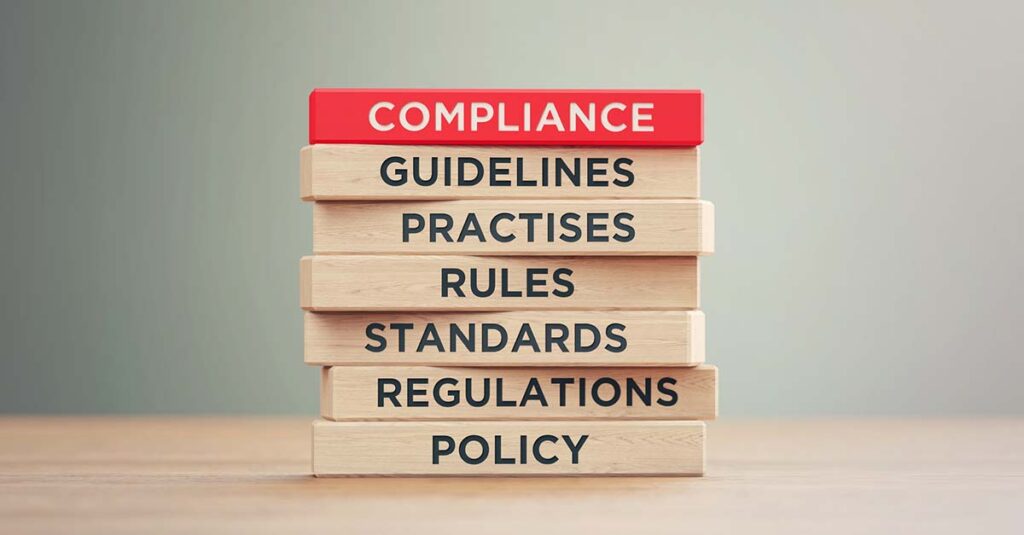
Evidence Coordination and Compliance
Successful integration of lay witness statements requires understanding VA regulations, evidence standards, and how witness testimony fits within the broader legal framework governing disability determinations. This coordination ensures all evidence works together effectively while maintaining compliance with federal regulations and ethical standards.
Regulatory Compliance Framework
All witness statements must comply with 38 U.S.C. §§ 5901–5905 and related regulations, ensuring neutrality and factual accuracy while avoiding advocacy or outcome guarantees. This compliance framework protects both veterans and witnesses while ensuring statements meet legal standards for admissibility and credibility in VA disability determinations.
Understanding compliance isn’t just about following rules—it’s about protecting documentation from challenges and ensuring evidence gets proper consideration.
Witnesses must stick to factual observations without advocating for specific outcomes. They can describe what they’ve observed, but they can’t argue for particular ratings or recommend specific VA actions.
The penalty of perjury clause isn’t just legal language—it’s a serious commitment that requires absolute honesty. False statements can result in criminal charges and will definitely destroy credibility.
Professional Documentation Synergy
Lay witness statements achieve maximum impact when they complement independent medical evaluations and professional documentation, creating comprehensive evidence packages that address both clinical and functional aspects of disabilities. This synergy requires coordination between different types of evidence to ensure they support rather than contradict each other.
The most powerful documentation combines strong witness statements with comprehensive medical evidence. When witnesses describe functional limitations that align with medical findings, the evidence becomes difficult to dismiss.
This is where many veterans could benefit from professional medical evaluations that complement their witness statements. While witness statements describe real-world impacts, independent medical evaluations can provide the clinical context that validates those observations.

Advanced Witness Statement Strategies
Maximizing the effectiveness of VA Form 21-10210 requires understanding nuanced approaches for different disability types, witness relationships, and documentation scenarios that go beyond basic completion requirements. These advanced strategies involve tailoring documentation approaches to specific conditions, leveraging different types of witness relationships for maximum credibility, and understanding how various factors influence the weight and impact of witness testimony in VA disability determinations.
Disability-Specific Documentation Approaches
Different types of service-connected conditions require tailored witness statement strategies, as mental health conditions, physical disabilities, and chronic illnesses each present unique documentation challenges and opportunities. Understanding these differences allows witnesses to focus on the most relevant and impactful observations for each specific type of disability documentation.
Not all disabilities are the same when it comes to witness statements. Mental health conditions require completely different documentation strategies than physical injuries, and chronic illnesses present their own unique challenges.
Mental Health Condition Documentation
Witnesses observing PTSD, depression, anxiety, or TBI symptoms should focus on behavioral changes, social withdrawal patterns, sleep disturbances, and functional capacity shifts that may not be apparent during brief clinical evaluations. These observations provide crucial context about how mental health conditions affect daily functioning and relationships.
Mental health symptoms often occur behind closed doors, making witness statements absolutely critical for this type of documentation. Clinical evaluations might miss the full scope of how PTSD affects daily life, but family sees everything.
A spouse can describe how a veteran has stopped attending social gatherings, checks locks multiple times before bed, or wakes up screaming from nightmares. These specific behaviors paint a picture that no clinical interview can capture.
Focusing on changes in personality, social functioning, and daily routines provides valuable evidence. Has the veteran become more irritable, withdrawn, or hypervigilant? Do they avoid certain situations or activities they previously enjoyed?
Sleep disturbances are particularly important for mental health documentation. Witnesses can describe insomnia patterns, nightmares, or sleep medication effects that significantly impact daily functioning.
Veterans dealing with PTSD claims often find witness statements crucial for documenting symptoms that aren’t captured during clinical evaluations.
Example – Sleep Apnea Witness Statement: “I, Alice A. Friendly, observe my veteran husband, U.S. Army SFC (Retired) Sam W. Friendly, snoring loudly with pauses in breathing and waking up suddenly, gasping and choking every night. I see my veteran husband tired and suffering from morning headaches, restless nights, dry mouth, high blood pressure, irritability, depression, reduced libido, excessive daytime drowsiness, nighttime chest pains, excessive weight, and frequent trips to the bathroom every night. My husband and I have been married since 2005. My husband has had these life-threatening, job-threatening, and marriage-threatening symptoms for the past 15 years. My husband did not have these Sleep Apnea problems and symptoms before he went to Iraq (OIF) on January 1, 2009. However, when he returned in January of 2010, he exhibited the symptoms mentioned above every day and night since then.”
Physical Disability Observation Techniques
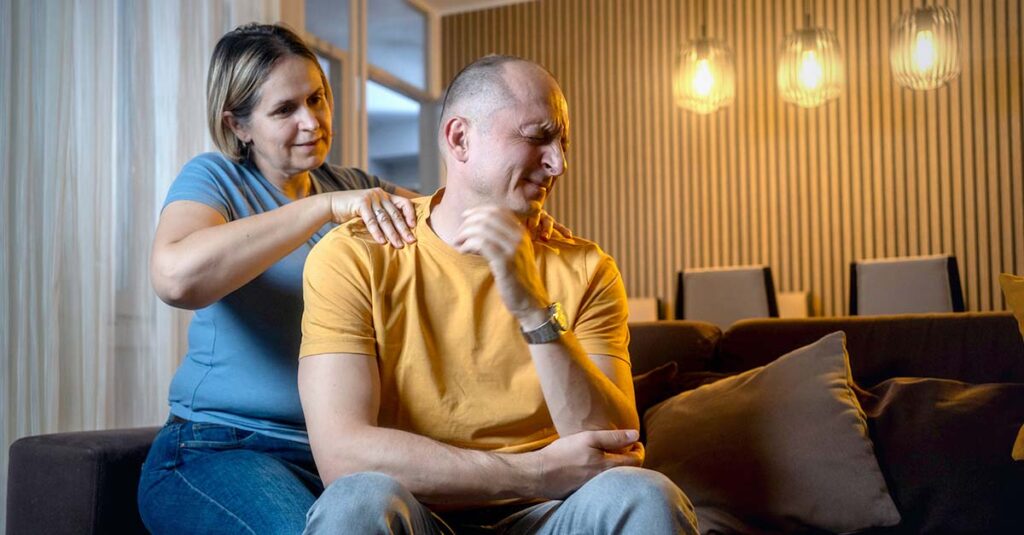
For musculoskeletal, sensory, or other physical conditions, witnesses should document mobility limitations, pain behaviors, accommodation needs, and activity restrictions observed in daily life settings. These observations provide evidence of functional limitations that may not be fully apparent during clinical examinations or VA compensation and pension exams.
Physical disabilities require witnesses to become keen observers of movement, pain responses, and functional adaptations. A neighbor might notice that a veteran now parks closer to building entrances, or a coworker could document how they’ve started using the elevator instead of stairs.
Pain behaviors are particularly telling. Witnesses can describe how a veteran favors one leg when walking, grimaces when standing up, or needs frequent breaks during physical activities. These observations demonstrate real-world impacts that brief medical exams might miss.
Documenting accommodation needs that have developed provides strong evidence. Does the veteran use grab bars in the shower? Have they rearranged their home to avoid stairs? Do they need help with tasks they previously handled independently?
Activity restrictions tell powerful stories. A fishing buddy can testify that a veteran can no longer cast a line due to shoulder problems, or a workout partner can describe how exercise routines have been modified or abandoned.
Chronic Condition Progression Tracking
Witnesses to conditions like diabetes, heart disease, or autoimmune disorders should emphasize symptom frequency, flare-up patterns, medication impacts, and lifestyle modifications they’ve observed over time. This longitudinal perspective provides evidence of condition progression and functional decline that single-point medical evaluations cannot capture.
Chronic conditions present unique documentation challenges because symptoms fluctuate over time. Witnesses need to capture patterns rather than isolated incidents.
Flare-up documentation becomes crucial. Family can describe how rheumatoid arthritis affects functioning during bad weeks versus good weeks, providing evidence of the condition’s unpredictable nature.
Medication side effects often create additional functional limitations that witnesses can observe. Fatigue from chemotherapy, cognitive fog from pain medications, or dietary restrictions from diabetes all impact daily functioning in ways that witnesses can document.
Energy level changes throughout the day matter enormously for chronic conditions. Witnesses might observe that a veteran functions well in the morning but struggles significantly by afternoon, or that frequent rest periods are needed during activities.

Relationship-Based Evidence Strength
The credibility and weight of witness statements vary significantly based on the witness’s relationship to the veteran, observation period, and specific knowledge of pre-service, service, and post-service conditions. Understanding these relationship dynamics helps veterans select the most effective witnesses and prepare them to provide the strongest possible testimony for their specific circumstances.
Spouse and Family Member Statements
Close family members can provide intimate details about daily functioning, relationship impacts, sleep patterns, and behavioral changes that may not be visible to casual observers or medical professionals. These statements carry significant weight due to the extended observation periods and intimate knowledge that family relationships provide.
Spouses and family members see veterans at their worst and their best. They witness the struggles hidden from the outside world and can document how disabilities affect intimate relationships and family dynamics.
A spouse can describe how PTSD affects marriage, how chronic pain impacts ability to participate in family activities, or how depression has changed relationships with children. These intimate details provide powerful evidence of disability impact.
Sleep disruption affects entire households. Family members can testify about how nightmares wake everyone up, how insomnia leads to late-night wandering, or how sleep apnea requires separate bedrooms.
Parenting impacts carry enormous weight in disability determinations. Can the veteran still coach their child’s sports team? Do they struggle to attend school events due to anxiety? Have physical limitations prevented participation in activities they previously enjoyed with their children?

Military Colleague and Buddy Statements
Fellow service members offer unique perspectives on in-service incidents, duty performance changes, and immediate post-incident observations that establish crucial service connection timelines. These statements provide credible testimony about military-specific experiences that civilian witnesses cannot offer.
Military buddies provide irreplaceable evidence for establishing service connection. They witnessed the incidents that caused injuries and can testify about immediate changes in condition or performance.
Combat veterans who served alongside other veterans can describe specific incidents that medical records might not fully capture. The IED explosion that caused a TBI, the heavy lifting that injured a back, or the traumatic events that triggered PTSD—these firsthand accounts establish clear service connection.
Duty performance changes observed by fellow service members carry significant weight. Did accuracy decline after a head injury? Did certain duties start being avoided after a traumatic incident? These observations help establish both service connection and functional impact.
Post-deployment observations from military colleagues can bridge the gap between service and civilian life. They might have noticed personality changes, physical limitations, or behavioral shifts that occurred immediately after specific deployments or incidents.
Employment and Social Contact Documentation
Supervisors, coworkers, and friends can document workplace accommodations, social functioning changes, and community participation limitations that demonstrate disability impact across multiple life domains. These statements provide evidence of how disabilities affect veterans’ ability to maintain employment and participate in community activities.
Workplace witnesses offer unique perspectives on how disabilities affect ability to maintain employment. Supervisors can document accommodations that have been needed, performance changes they’ve observed, or attendance issues related to conditions.
Coworkers might notice struggles with concentration, needs for frequent breaks, or difficulty with tasks that were previously easy. These observations provide evidence of functional limitations in competitive work environments.
Social contacts can document withdrawal patterns, activity limitations, or behavioral changes that affect community participation. Church groups might notice stopped attendance at events, or hobby clubs could describe how physical limitations have affected participation.
Friends provide credible testimony about personality changes and social functioning decline. They can describe how veterans have become more isolated, irritable, or anxious in social situations since returning from military service.
Advanced Witness Selection Checklist:
- Identify witnesses for different life domains (home, work, social)
- Prioritize witnesses with longest observation periods
- Select witnesses who knew the veteran before and after service
- Choose witnesses who can describe specific incidents
- Ensure witnesses understand their role and limitations
- Coordinate witness statements to avoid contradictions
- Prepare witnesses for potential VA contact
Coordinating Lay Evidence with Professional Medical Documentation
When veterans gather compelling witness statements through VA Form 21-10210, they often discover that their lay evidence reveals functional limitations that aren’t fully captured in existing medical records. This coordinated approach—combining compelling witness testimony with objective medical evidence—creates the strongest possible foundation for VA disability documentation while maintaining full compliance with federal regulations and ethical standards.
Veterans seeking to understand what determines their VA rating benefit from coordinating witness statements with comprehensive medical evaluations for stronger overall documentation.
REE Medical coordinates access to independent, licensed healthcare professionals who complete DBQs and medical evaluations. The company operates within strict compliance frameworks (38 U.S.C. §§ 5901–5905), maintaining neutrality and transparency while adhering to federal regulations. REE Medical does not prepare, present, or submit VA disability claims and does not provide legal or representational services. Their role remains limited to coordinating medical evaluations and documentation.
Final Thoughts
VA Form 21-10210 represents far more than administrative paperwork—it’s a powerful tool that can transform disability documentation by providing real-world context that medical records alone cannot capture. The strategic use of witness statements requires careful planning, thorough preparation, and understanding of how lay evidence integrates with professional medical documentation to create compelling disability narratives.
Success depends on selecting appropriate witnesses, preparing them to provide detailed and accurate testimony, and ensuring their statements complement rather than contradict other evidence. When properly executed, witness statements provide the VA with comprehensive pictures of how service-connected conditions actually affect veterans’ daily lives, relationships, and functional capacity across multiple domains.
The key lies in understanding that effective witness statements tell stories—specific, detailed accounts of observable changes and limitations that demonstrate the true impact of military service on veterans’ lives. These stories, when supported by appropriate medical evidence and presented within proper legal frameworks, create the foundation for accurate disability evaluations that reflect the reality of veterans’ experiences.
Every veteran’s situation is unique, and the approach to witness statements should be tailored to specific circumstances, conditions, and documentation goals. Whether establishing initial service connection, demonstrating worsened conditions, or providing evidence for appeals, well-crafted witness statements remain one of the most underutilized yet powerful tools available in the VA disability process.
Disclosure
DISCLAIMER: REE Medical, LLC is not a Veterans Service Organization (VSO) or a law firm and is not affiliated with the U.S. Veterans Administration (“VA”). Results are not guaranteed, and REE Medical, LLC makes no promises. REE Medical’s staff does not provide medical advice or legal advice, and REE Medical is not a law firm. Any information discussed, such as, but not limited to, the likely chance of an increase or service connection, estimated benefit amounts, and potential new ratings, is solely based on past client generalizations and not specific to any one patient. The doctor has the right to reject and/or refuse to complete a Veteran’s Disability Benefit Questionnaire if they feel the Veteran is not being truthful. The Veteran’s Administration is the only agency that can make a determination regarding whether or not a Veteran will receive an increase in their service-connected disabilities or make a decision on whether or not a disability will be considered service-connected. This business is not sponsored by, or affiliated with, the United States Department of Veterans Affairs, any State Department of Military and Veterans Affairs, or any other federally chartered veterans service organization.