
Origins of Veterans Day: The Story Behind America’s Honor for Those Who Served
Veterans Day originated as “Armistice Day” on November 11, 1919, marking the first anniversary of the end of World War I. Today, this holiday honors approximately 18.6 million military veterans in the United States, representing 6.1% of the total civilian population age 18 and over, according to U.S. Census Bureau data from 2023.
Table of Contents
- Historical Foundation and Evolution
- The Birth of Armistice Day
- Legislative Transformation to Veterans Day
- The Uniform Monday Holiday Act Controversy
- Contemporary Observance and Cultural Impact
- Distinguishing Veterans Day from Memorial Day
- Modern Ceremonial Traditions
- Global Context and International Perspectives
- When Veterans Day is Observed
TL;DR
Veterans Day originated as Armistice Day in 1918, marking the end of World War I at the 11th hour of the 11th day of the 11th month. President Wilson first proclaimed the holiday in 1919, with Congress establishing it as a federal holiday in 1938. The name changed from Armistice Day to Veterans Day in 1954 under President Eisenhower to honor all American veterans. A controversial move to Monday observance in 1968 was reversed in 1978 due to public opposition. Veterans Day celebrates living veterans while Memorial Day honors fallen service members. The holiday maintains its November 11th date regardless of the day of the week, unlike other federal holidays. International observances vary, with many countries focusing on remembrance rather than celebration.
Historical Foundation and Evolution
Veterans Day emerged through a century-long evolution marked by legislative changes, name transformations, and evolving cultural significance. The holiday’s foundation rests on one of history’s most significant moments—the end of World War I. What started as a specific commemoration for “the war to end all wars” gradually expanded to encompass all American military service.
Multiple legislative adjustments shaped the holiday’s current form. Each change reflects American values, political priorities, and the ongoing dialogue between convenience and historical significance. Understanding the origins of Veterans Day provides context for how this important national observance developed into its current form.
The Birth of Armistice Day
Armistice Day emerged from the immediate aftermath of World War I, when the world desperately needed symbols of peace and recognition for unprecedented sacrifice. The original holiday carried deep emotional weight for a generation that had witnessed industrial warfare’s devastating impact on human life.
The timing held profound meaning for millions who had lived through the Great War. President Wilson’s early proclamation established the foundation for what would become one of America’s most enduring military traditions. Congressional recognition in 1938 solidified the holiday’s place in American culture, though its scope remained limited to World War I veterans.
The 11th Hour of the 11th Day
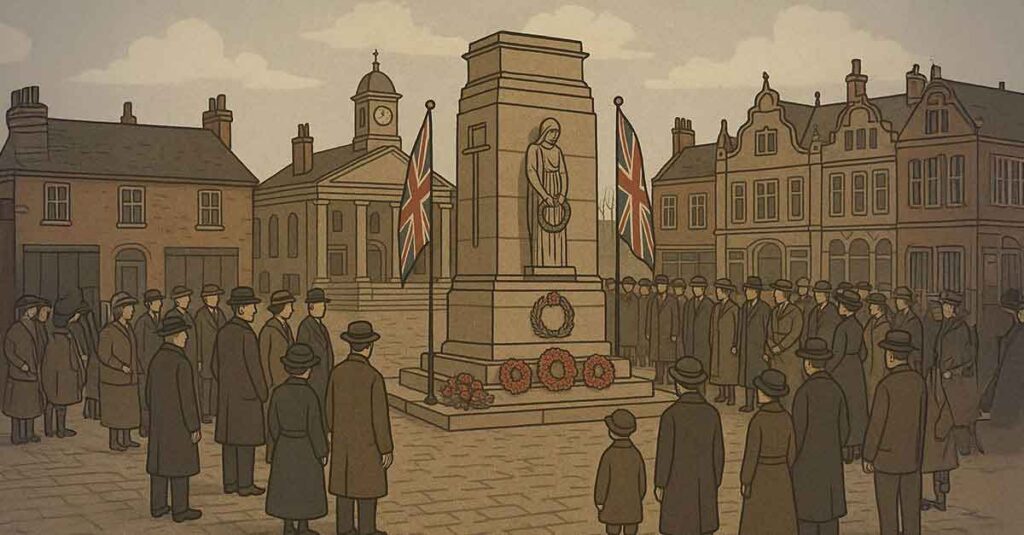
The symbolic power of November 11, 1918, at 11:00 AM cannot be overstated—this precise moment marked the official end of World War I hostilities and created an indelible timestamp in global history. The silence that fell across European battlefields at that exact moment represented more than just another ceasefire. The armistice agreement officially ended what was then known as “the war to end all wars.”
The symbolism of the elevens—11th hour, 11th day, 11th month—created a natural memorial timestamp. Veterans and civilians alike could remember exactly when peace returned to the world. This precise timing gave the future holiday its unshakeable connection to November 11th, regardless of what day of the week it falls on.
Community Example: Many towns create annual time capsule ceremonies at 11 AM on November 11th, where veterans and community members contribute items representing the past year. The ceremony begins with a moment of silence at exactly 11:00 AM, connecting modern observances to the original armistice moment.
President Wilson’s Proclamation
President Woodrow Wilson’s 1919 proclamation established the first official recognition of Armistice Day, setting the tone for how America would remember World War I and honor its veterans for generations to come. Wilson’s proclamation was a national statement about sacrifice, service, and the price of peace.
The proclamation established November 11th as a day of solemn observance. Wilson emphasized both gratitude for peace and remembrance of those who made it possible. This dual focus on peace and service became the holiday’s defining characteristic, distinguishing it from purely military celebrations.
Congressional Recognition and Federal Holiday Status
The 1938 Congressional legislation that made November 11th a federal holiday represented America’s formal commitment to honoring World War I veterans, though the holiday’s scope remained narrowly focused on the Great War generation. Nearly two decades passed between Wilson’s initial proclamation and federal holiday status, reflecting the era’s different approach to federal holidays and government recognition of military service.
The legislation specifically dedicated the holiday to World War I veterans. At the time, this seemed comprehensive—after all, the Great War was supposed to be the last major conflict.
Legislative Transformation to Veterans Day
The expansion from Armistice Day to Veterans Day reflects America’s evolving military history and the growing recognition that World War I veterans weren’t the only ones deserving national recognition. World War II and the Korean War created new generations of veterans. The legislative change to Veterans Day represented a fundamental shift in how America viewed military service—from commemorating a specific conflict to honoring all who served.
According to reporting from WAGM TV, “After World War Two and the Korean War, millions more Americans had served, and the meaning of the day began to expand. In 1954, Congress officially changed Armistice Day to Veterans Day, honoring all who served whether in wartime or peace.”
Post-World War II Advocacy
Veterans organizations representing World War II and Korean War veterans mounted sustained campaigns to expand Armistice Day’s scope. World War II alone produced over 16 million American veterans—far more than World War I. These veterans returned home to find a holiday that didn’t acknowledge their service. Korean War veterans faced the same exclusion.
Veterans organizations became powerful advocates for change. Groups like the American Legion and Veterans of Foreign Wars lobbied Congress extensively, arguing that service to country deserved recognition regardless of the specific war or conflict.
The 1954 Amendment
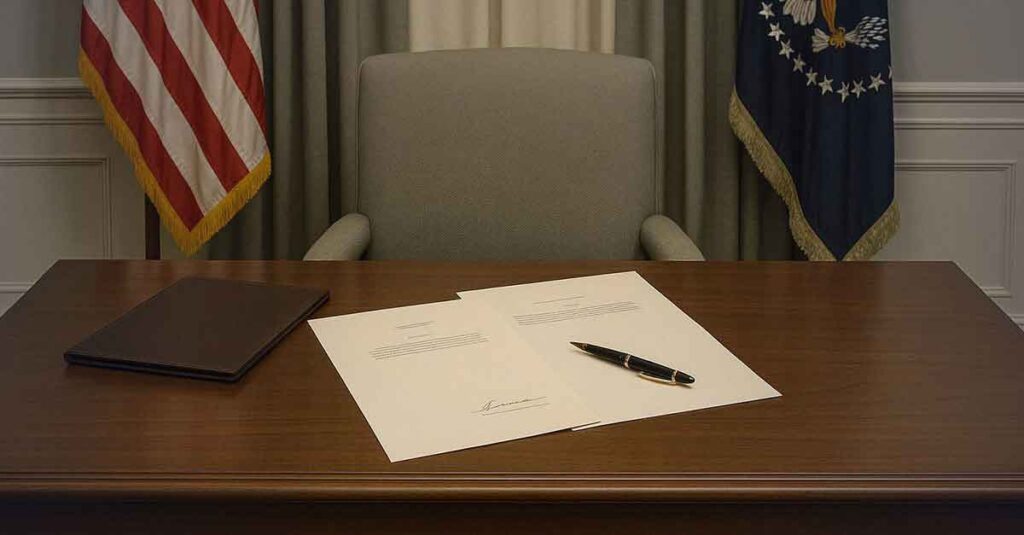
President Eisenhower’s signature on June 1, 1954, officially transformed Armistice Day into Veterans Day, expanding the holiday’s scope to honor all American veterans from all wars and conflicts. Eisenhower brought unique credibility to this decision. As Supreme Allied Commander in Europe during World War II, he understood military service intimately.
The amendment was simple but profound. Changing “Armistice Day” to “Veterans Day” opened the holiday to millions of additional veterans. The date remained November 11th, preserving the historical connection while expanding the honorees. This balance between tradition and inclusion became the holiday’s defining characteristic.
Veteran Statistics: Female veterans represent 2.0 million of the total veteran population in the United States as of 2023, comprising 10.9% of all veterans, according to U.S. Census Bureau data.
The Uniform Monday Holiday Act Controversy
The brief period when Veterans Day was moved from November 11th to the fourth Monday in October demonstrates the tension between administrative convenience and historical significance. This controversy revealed something important about American values—when faced with a choice between three-day weekends and historical accuracy, the public chose history.
The 1968 Legislative Change
The Uniform Monday Holiday Act prioritized three-day weekends over historical significance by moving Veterans Day to the fourth Monday in October, a decision that would prove deeply unpopular with veterans and the general public. The logic seemed sound at the time—three-day weekends would boost tourism, give federal employees consistent time off, and create economic benefits.
Veterans Day got caught up in this broader administrative reorganization. Lawmakers didn’t anticipate the strong emotional attachment to November 11th specifically.
State Resistance Example: During the Monday observance period (1971-1978), many states refused to follow federal guidelines. For example, Virginia continued to observe Veterans Day on November 11th throughout the entire period, creating confusion where federal employees had different holiday schedules than state workers in the same communities.
Public Opposition and Restoration
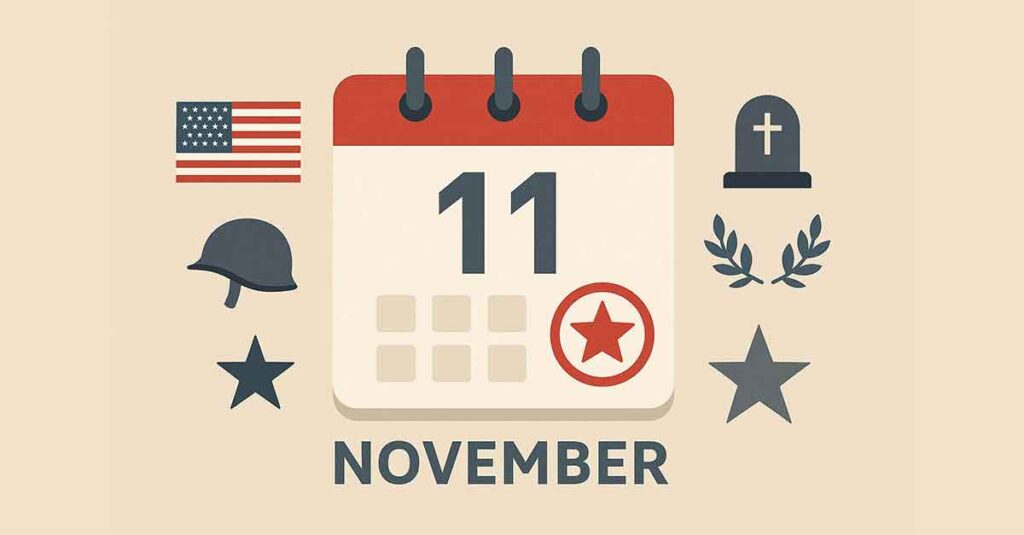
Widespread public disapproval and veteran advocacy successfully pressured Congress to restore Veterans Day to November 11th in 1975, with the change taking effect in 1978. The opposition was immediate and sustained. Veterans groups led the charge, but they weren’t alone. State governments, civic organizations, and ordinary citizens joined the campaign to restore November 11th.
Congress listened. The 1975 legislation restored Veterans Day to November 11th, effective in 1978. This reversal was unusual—federal holidays rarely get moved back once they’ve been changed. The restoration demonstrated the special significance of Veterans Day and the power of sustained public advocacy.
Current reporting from Military.com notes that “Due to public and veterans’ dissatisfaction with the date change, President Gerald Ford signed legislation in 1975 to restore Veterans Day to its original date of November 11, starting in 1978. The return acknowledged the historical significance of the WWI armistice.”
Contemporary Observance and Cultural Impact
Modern Veterans Day has transformed into a multifaceted observance that balances reverent remembrance with active celebration. Today’s Veterans Day looks dramatically different from its Armistice Day origins. The holiday now serves as both commemoration and call to action, honoring past sacrifices while acknowledging ongoing veteran needs.
Distinguishing Veterans Day from Memorial Day
Understanding Veterans Day’s unique purpose requires recognizing its fundamental difference from Memorial Day—one celebrates living veterans and their ongoing contributions, while the other solemnly honors those who made the ultimate sacrifice. Confusion between these holidays is common, but the distinction matters deeply to veterans and military families. Veterans Day celebrates life, achievement, and continued service to community. Memorial Day mourns loss and honors sacrifice.
The timing reinforces these different purposes. Memorial Day kicks off summer with solemn remembrance, while Veterans Day arrives in autumn as a celebration of service and community connection.
Observance Guidelines
Veterans Day (November 11):
- Recognition of living veterans occurs through community events
- Many communities organize parades and celebrations
- Some veteran-owned businesses receive increased support
- Schools often host programs featuring local veterans
- Volunteer organizations provide services to veterans
Memorial Day (Last Monday in May):
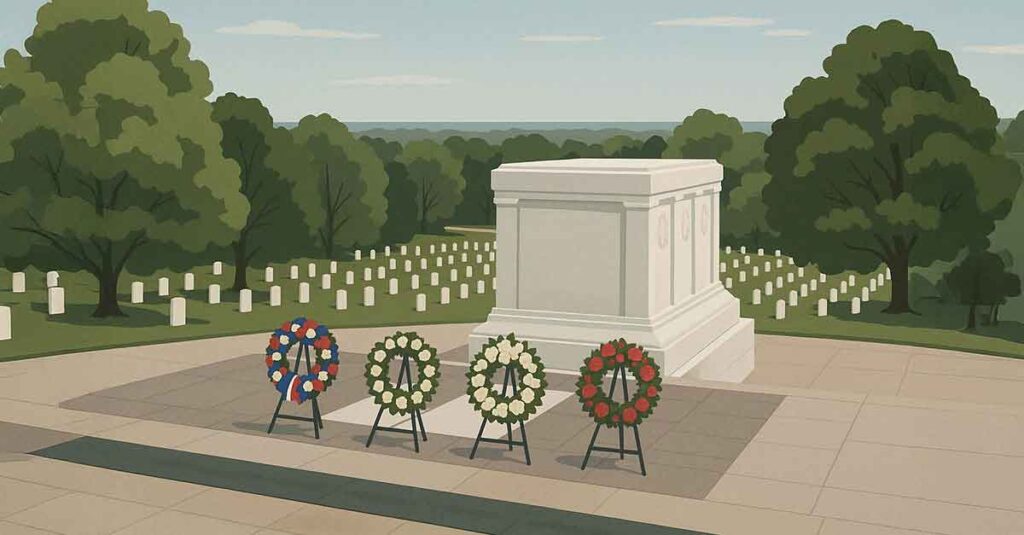
- The VA encourages visits to cemeteries and memorials
- A moment of silence is traditionally observed at 3 PM local time
- Flags or flowers are commonly placed on graves
- Communities hold memorial services and ceremonies
- Reflection on sacrifice is emphasized
Living Veterans and Community Connection
Veterans Day specifically honors living veterans and their ongoing contributions to society. These face-to-face interactions create powerful connections between military and civilian communities. Veterans can share their experiences, receive recognition, and feel valued by their communities.
Memorial Day serves a different function entirely. The holiday honors those who can’t be thanked in person, whose service ended in ultimate sacrifice. The solemnity is appropriate and necessary, but it doesn’t create the same opportunities for community building that Veterans Day provides.
Celebration and Positive Community Engagement
Veterans Day encourages active celebration of veterans’ achievements and contributions rather than solely mourning losses. This celebratory approach serves important functions—veterans often struggle with civilian transition, identity issues, and feeling disconnected from their communities. Veterans Day provides positive reinforcement and community recognition.
The celebration doesn’t diminish the seriousness of military service or ignore its costs. Instead, it emphasizes resilience, achievement, and the positive outcomes of service.
Modern Ceremonial Traditions
Contemporary Veterans Day observances blend traditional military ceremonies with innovative community-based celebrations that reflect America’s diverse veteran population. Ceremonial traditions have expanded far beyond formal military events. Schools host veteran speakers, businesses create recognition programs, and communities organize parades that showcase local veteran stories.
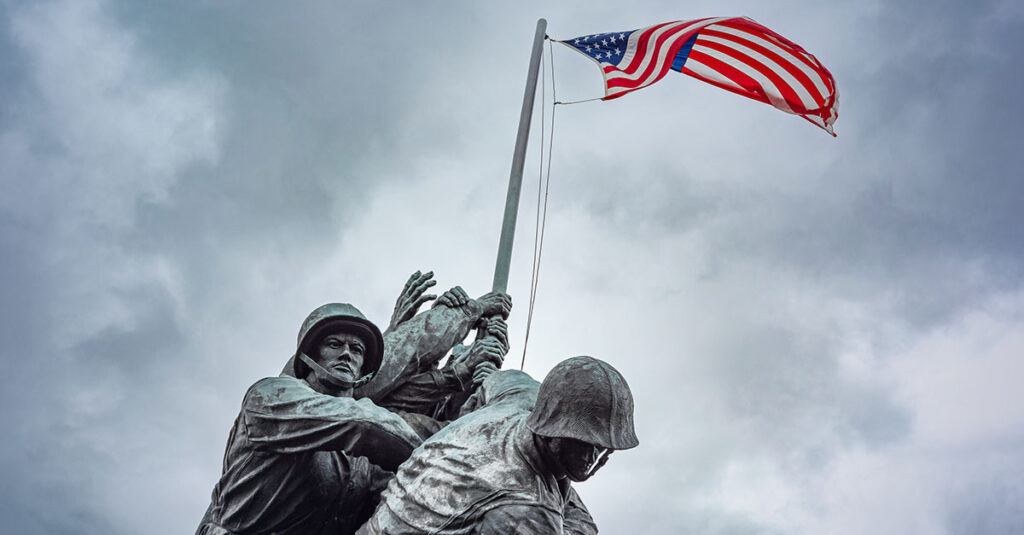
Arlington National Cemetery Ceremonies
The national ceremony at Arlington National Cemetery, featuring the wreath-laying at the Tomb of the Unknown Soldier, serves as the official federal observance model. Arlington’s ceremony carries unique weight as the nation’s premier military cemetery. The Tomb of the Unknown Soldier represents all unidentified service members, making it a powerful symbol for comprehensive veteran recognition.
Television coverage brings Arlington’s ceremony into homes across America. This shared viewing experience creates national unity around Veterans Day observance.
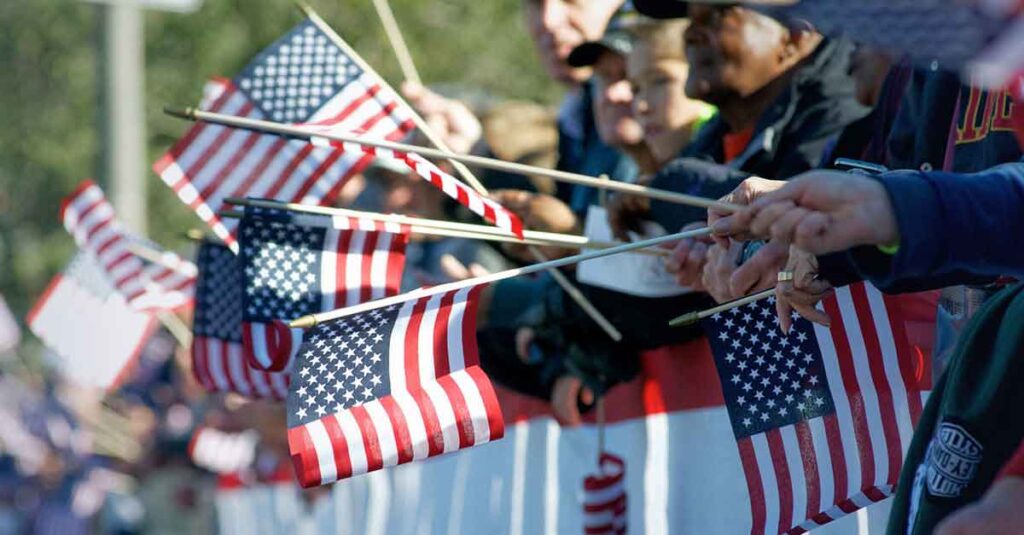
Community Parades and Local Recognition
Local parades, school programs, and community events have become integral to Veterans Day. Community parades showcase local veteran stories in ways that national ceremonies cannot. When neighbors see their mail carrier, teacher, or shop owner marching as a veteran, it personalizes military service.
School programs play crucial educational roles. Students learn about military service, interview local veterans, and participate in recognition ceremonies. These interactions plant seeds of understanding and respect. Many veterans find school visits among their most rewarding Veterans Day experiences.
Program Example: Many communities organize “Living History” events where high school students interview local veterans and create digital stories or presentations. These programs preserve veteran experiences while educating young people about military service across different eras.
Business Recognition Programs
Modern Veterans Day includes widespread business participation through veteran discounts, hiring initiatives, and workplace recognition programs. Restaurants offer free meals, retailers provide discounts, and service businesses create special promotions. Many veterans appreciate the tangible recognition and practical benefits.
Veteran hiring initiatives represent more substantial engagement. Companies use Veterans Day to announce new veteran employment programs, showcase veteran employees, and demonstrate long-term commitment to the veteran community.
Veteran Demographics: Veterans from the Post-9/11 period (September 2001 to present) represent 28.0% of all veterans in 2023, while 33.0% served during the Vietnam War, according to U.S. Census Bureau statistics.
Global Context and International Perspectives
While Veterans Day is uniquely American in its focus on celebrating living veterans, understanding its place within international remembrance traditions reveals both shared values and distinct cultural approaches to honoring military service and sacrifice. International perspectives on November 11th observances vary significantly. Some nations focus on peace and reconciliation, others emphasize remembrance of the dead, and still others celebrate military traditions.
International Armistice Day Observances
Many nations observe November 11th as a day of remembrance, though with different focuses and traditions than American Veterans Day, reflecting their unique historical experiences. The red poppy symbolizes remembrance in many Commonwealth countries, stemming from the famous World War I poem “In Flanders Fields.” This symbol creates visual unity across different national observances while allowing for distinct ceremonial traditions.
European observances often emphasize peace and reconciliation more than American celebrations. Countries that experienced occupation, liberation, and reconstruction bring different perspectives to November 11th.
Commonwealth Remembrance Day
Countries like Canada, Australia, and the United Kingdom observe Remembrance Day on November 11th, typically focusing on war dead rather than living veterans and using symbols like the red poppy. Commonwealth Remembrance Day ceremonies share common elements while reflecting national characteristics. The two-minute silence at 11 AM creates synchronized remembrance across time zones.
The focus on war dead rather than living veterans creates a more solemn atmosphere than American Veterans Day celebrations. This difference reflects historical experiences—Commonwealth nations often suffered higher casualty rates relative to population size.
European Armistice Commemorations
European nations often emphasize peace and reconciliation on November 11th, reflecting their direct experience of World War I battlefields and the ongoing importance of international cooperation. France and Belgium host particularly significant ceremonies, as their territories bore the brunt of Western Front fighting. Battlefield memorials and preserved trenches provide powerful backdrops for remembrance ceremonies.
German participation in Armistice Day observances reflects complex historical reconciliation. Former enemies now stand together at memorial ceremonies, demonstrating how shared remembrance can contribute to lasting peace.
American Military Global Presence
Veterans Day observance extends beyond U.S. borders through American military installations worldwide. Overseas base celebrations blend American traditions with local customs. Military families stationed abroad often invite local officials and community members to Veterans Day ceremonies.
Overseas Base Celebrations
U.S. military bases globally observe Veterans Day, often incorporating local customs and hosting joint ceremonies with allied forces. Joint ceremonies with allied forces create powerful symbols of international cooperation. When American and foreign veterans stand together at Veterans Day ceremonies, they demonstrate shared values and mutual respect.
Military families stationed overseas face unique Veterans Day challenges. They’re separated from extended family and home communities during this important observance. Base celebrations become especially meaningful as they create military family unity and maintain connections to American traditions despite geographic distance.
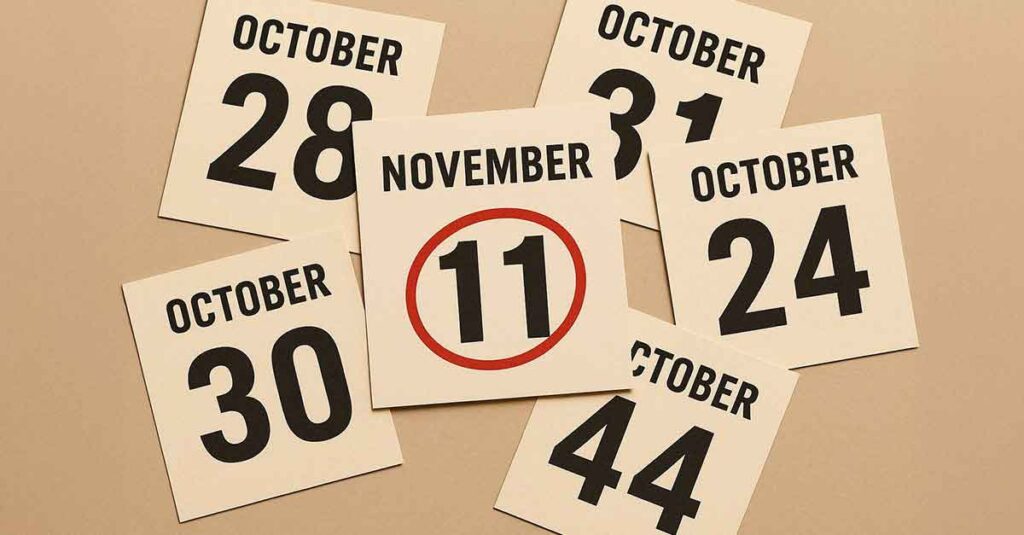
When Veterans Day is Observed
The timing and scheduling of Veterans Day observance involves federal regulations, state variations, and practical considerations. Veterans Day’s fixed-date principle sets it apart from most federal holidays. While other observances move to create three-day weekends, Veterans Day maintains its historical connection to November 11th.
The interaction between federal guidelines and local practices creates variations in how Americans experience Veterans Day. Some communities adjust their celebrations for practical reasons, while others maintain strict adherence to November 11th regardless of inconvenience.
Federal Holiday Scheduling
Veterans Day follows specific federal guidelines that distinguish it from other holidays in terms of date consistency. Federal employees receive time off when Veterans Day falls on a weekday, but weekend observances create complications. The adjacent weekday becomes the official federal holiday for payroll and administrative purposes, though ceremonial significance remains tied to November 11th itself.
Military installations worldwide observe Veterans Day according to federal guidelines while accommodating local time zones and operational requirements. This creates a rolling global observance as November 11th moves across time zones, with ceremonies occurring around the clock.
Fixed Date Principle
Unlike most federal holidays, Veterans Day is always observed on November 11th regardless of the day of the week. This fixed-date approach reflects the lesson learned from the Uniform Monday Holiday Act controversy. The date’s historical significance outweighs scheduling efficiency.
Weekend Veterans Days create interesting dynamics. Saturday observances often see higher civilian participation as people don’t need to take time off work. Sunday observances may create opportunities for faith-based veteran recognition programs.
Age Demographics: Veterans aged 75 and older represent 43.0% of all veterans in 2023, while only 8.3% of veterans were younger than age 35, according to U.S. Census Bureau data, highlighting the aging veteran population.
Federal Employee and Military Observance
When November 11th falls on a weekend, federal employees typically observe the holiday on the adjacent weekday, though the ceremonial significance remains tied to the actual date. This dual observance system can create confusion—federal offices close on the official holiday (adjacent weekday), but ceremonies occur on November 11th itself.
Military personnel face unique considerations. Operational requirements don’t pause for holidays, so essential personnel work regardless of the date. However, military installations typically hold ceremonies on November 11th itself.
State and Local Variations
Some states and municipalities may adjust their official observance dates for administrative purposes, though most maintain November 11th as the primary recognition date. State government practices vary significantly. Some states strictly follow federal guidelines, while others create their own observance schedules.
Municipal governments often adapt Veterans Day observances to local needs and traditions. Small towns might move parade dates to weekends for better participation, while maintaining November 11th ceremonies.
Business and Educational Impact
The fixed-date nature of Veterans Day creates unique considerations for businesses, schools, and organizations. Private sector responses to Veterans Day vary widely. Some businesses close entirely, others offer special promotions, and many continue normal operations while providing veteran recognition programs.
School District Policies
Educational institutions vary in their Veterans Day policies. Some close for the day while others incorporate special programming and veteran recognition ceremonies into regular school schedules. School closures for Veterans Day aren’t universal. Districts consider factors like academic calendar requirements, local veteran populations, and community expectations.
Veterans Day school programs often provide meaningful community connections. Students interview local veterans, create displays, and participate in recognition ceremonies. These activities build understanding between generations while honoring veteran service.
Private Sector Participation
Many businesses remain open on Veterans Day but offer special promotions, veteran discounts, or workplace recognition programs. Veteran discounts have become standard Veterans Day practice across many industries. Restaurants, retailers, and service providers offer special deals exclusively for veterans.
Workplace recognition programs represent more substantial business engagement. Companies highlight veteran employees, share their stories, and demonstrate ongoing commitment to veteran hiring and support.
Banking and Government Services
Federal offices, post offices, and banks typically close on Veterans Day, while essential services continue operating. Bank closures on Veterans Day signal the holiday’s importance, though ATM and online services maintain accessibility for essential banking needs.
Essential services continue operating regardless of Veterans Day scheduling. Police, fire, medical, and utility services maintain normal operations. Many essential service workers are veterans themselves.
Understanding Veterans Day in Context
At REE Medical, we recognize that Veterans Day represents more than just a date on the calendar—it reflects the nation’s ongoing efforts to honor those who served. The holiday’s evolution from Armistice Day to its current form demonstrates how national observances adapt to serve changing populations while maintaining historical significance.
REE Medical coordinates independent medical documentation and evaluations prepared by licensed healthcare professionals. Our focus remains on providing accurate, comprehensive medical documentation that may be reviewed by the VA as part of its independent evaluation process. REE Medical does not prepare, present, or submit VA disability claims and does not make VA benefit decisions.
Understanding the origins of Veterans Day provides valuable context for appreciating this important national observance. The holiday’s resilience through legislative changes, cultural shifts, and evolving veteran needs shows its enduring importance in American life. As Veterans Day continues evolving, the balance between honoring tradition and serving contemporary veteran needs remains essential.
Frequently Asked Questions
What is the difference between Veterans Day and Memorial Day?
According to the VA, Veterans Day honors all living veterans who served in the U.S. military, while Memorial Day specifically commemorates service members who died while serving. Veterans Day is celebrated on November 11th and focuses on thanking living veterans for their service. Memorial Day is observed on the last Monday in May and is a more somber occasion dedicated to remembering fallen service members.
Why is Veterans Day always on November 11th?
Per VA guidance, Veterans Day is observed on November 11th because this date marks the anniversary of the armistice that ended World War I on November 11, 1918, at 11:00 AM. After a controversial attempt to move the holiday to the fourth Monday in October (1971-1978), public opposition led to its restoration to the original date, recognizing the historical significance of November 11th.
Do all businesses close on Veterans Day?
According to federal guidelines, Veterans Day is a federal holiday, which means federal offices, post offices, and banks typically close. However, private businesses decide their own policies. Many businesses remain open while offering special promotions or veteran discounts. Schools also vary in their observance—some close for the day while others hold special programs.
How did Armistice Day become Veterans Day?
Per VA historical records, Armistice Day was originally established to honor World War I veterans. After World War II and the Korean War, veterans from these conflicts were not included in the observance. In 1954, President Eisenhower signed legislation changing the name from Armistice Day to Veterans Day to honor all American veterans from all wars and conflicts.
What happens if Veterans Day falls on a weekend?
According to federal holiday guidelines, if Veterans Day falls on a Saturday, the preceding Friday is typically observed as the federal holiday for employees. If it falls on a Sunday, the following Monday is observed. However, Veterans Day ceremonies and events are usually held on November 11th itself, regardless of the day of the week.
Disclosure
DISCLAIMER: REE Medical, LLC is not a Veterans Service Organization (VSO) or a law firm and is not affiliated with the U.S. Veterans Administration (“VA”). Results are not guaranteed, and REE Medical, LLC makes no promises. REE Medical’s staff does not provide medical advice or legal advice, and REE Medical is not a law firm. Any information discussed, such as, but not limited to, the likely chance of an increase or service connection, estimated benefit amounts, and potential new ratings, is solely based on past client generalizations and not specific to any one patient. The doctor has the right to reject and/or refuse to complete a Veteran’s Disability Benefit Questionnaire if they feel the Veteran is not being truthful. The Veteran’s Administration is the only agency that can make a determination regarding whether or not a Veteran will receive an increase in their service-connected disabilities or make a decision on whether or not a disability will be considered service-connected. This business is not sponsored by, or affiliated with, the United States Department of Veterans Affairs, any State Department of Military and Veterans Affairs, or any other federally chartered veterans service organization.